1. Introduction
The deep sea remains one of Earth’s least understood realms, not because it lacks life, but because its remoteness and extremes challenge both exploration and imagination. Covering more than half of the planet’s surface, deep-sea ecosystems play a fundamental role in global biogeochemical cycles, climate regulation, and long-term carbon sequestration, yet they are still often perceived as biologically sparse or inactive (Danovaro et al., 2014; Danovaro et al., 2017). Advances in oceanographic technology over the last several decades have steadily dismantled this misconception, revealing instead that life persists—and often thrives—under conditions once thought incompatible with biology. Among the most striking examples of this resilience are deep-sea hypersaline anoxic basins (DHABs), which represent natural laboratories for studying the limits of life and the mechanisms that sustain it.
DHABs are seafloor depressions typically located at depths exceeding 2,000 m, where hydrostatic pressures can surpass 400 atmospheres and sunlight is entirely absent (Van Dover, 2000; Merlino et al., 2018). These environments are defined not only by pressure and darkness but by extreme salinity and permanent anoxia, making them among the most chemically and physically hostile aquatic habitats known. First identified in the Red Sea during the mid-twentieth century, DHABs have since been discovered in other regions, including the Mediterranean Sea and the Gulf of Mexico, highlighting that these systems are not geological curiosities but globally distributed features of the deep ocean (Backer & Schoell, 1972; Charnock, 1964).
The formation of DHABs is closely linked to ancient geological processes. Most basins originate from the re-dissolution of Messinian or older evaporitic deposits, such as halite and magnesium-rich salts, that were buried beneath marine sediments and later exposed to seawater through tectonic activity (Cita, 2006; Wallmann et al., 1997). When seawater interacts with these deposits, dense brines are produced, often reaching salinities five to ten times higher than normal seawater (La Cono et al., 2011; Merlino et al., 2018). Because of their density, these brines form stable layers at the seafloor that do not mix with the overlying water column, creating a sharp halocline that acts as both a physical and chemical barrier (Edgcomb et al., 2011).
This stratification has profound ecological consequences. Organic matter sinking from surface waters accumulates at the halocline, where microbial respiration rapidly consumes any residual oxygen, resulting in permanent anoxia within the brine layer (van der Wielen et al., 2005). Over time, reduced compounds such as hydrogen sulphide, ammonium, and dissolved metals build up to concentrations that are toxic to most forms of life (Wallmann et al., 1997). For decades, these conditions led to the assumption that DHABs were effectively sterile. However, systematic investigations combining geochemical profiling, molecular biology, and microscopy have overturned this view, revealing complex and active microbial ecosystems (Antunes et al., 2011; Merlino et al., 2018).
Early studies focused primarily on prokaryotes, documenting unexpectedly high diversity and metabolic specialization at the brine–seawater interface. Molecular surveys from the Kebrit, Shaban, and Urania basins demonstrated that sulfate-reducing and sulfur-oxidizing microorganisms dominate chemoclines, driving tightly coupled redox processes that sustain primary production in the absence of sunlight (Eder et al., 1999; Eder et al., 2001; Sass et al., 2001). Subsequent work confirmed that these systems host complex microbial food webs rather than isolated metabolic pathways (Yakimov et al., 2007a). Even more surprising was the discovery that eukaryotic organisms, including protists and metazoans, could persist under such conditions, fundamentally reshaping our understanding of eukaryotic tolerance to anoxia (Alexander et al., 2009; Danovaro et al., 2010).
Within this broader framework, marine fungi have emerged as a particularly significant yet historically overlooked component of DHAB biodiversity. Once regarded mainly as passive spores transported from terrestrial or coastal sources, fungi are now recognized as active, abundant, and ecologically influential members of deep-sea microbial communities (Edgcomb et al., 2009; Grossart et al., 2019). High-throughput sequencing and metatranscriptomic analyses reveal that fungal sequences can dominate eukaryotic assemblages in several DHABs, especially within haloclines where organic substrates are concentrated (Bernhard et al., 2014; Stock et al., 2012).
The ecological success of fungi in DHABs is closely tied to their functional versatility. As heterotrophs, fungi play a central role in decomposing complex organic matter that accumulates at density interfaces, converting it into simpler compounds that can be reused by bacteria and archaea (Gadd, 2006). This process of remineralization is essential in systems where energy inputs are limited and recycling efficiency determines ecosystem stability. Gene expression studies from Mediterranean DHAB sediments provide direct evidence that fungi are metabolically active under haloclines, expressing enzymes involved in carbon degradation, nutrient acquisition, and stress response (Edgcomb et al., 2016; Pachiadaki et al., 2014).
Survival in hypersaline, anoxic conditions requires specialized physiological strategies, and fungi appear to possess a remarkable toolkit for coping with these stresses. High salinity and low water activity impose severe osmotic pressure on cells, yet many DHAB-associated fungi employ osmotolerance mechanisms such as the accumulation of compatible solutes, including glycerol, to maintain cellular homeostasis (Hallsworth et al., 2007; Cantrell et al., 2006). The high osmolarity glycerol (HOG) signaling pathway, well characterized in terrestrial fungi, is believed to play a similar role in deep-sea lineages, enabling them to balance intracellular ion concentrations without disrupting metabolic function (Gadd, 2006).
Beyond osmoregulation, DHAB fungi must tolerate chaotropic salts, particularly magnesium chloride, which destabilize macromolecules and restrict the window for life (Hallsworth et al., 2007). Evidence from MgCl₂-rich systems such as the Kryos Basin demonstrates that only highly specialized microbial communities can remain active under these conditions, underscoring the selective pressure shaping DHAB fungal assemblages (Steinle et al., 2018). These adaptations not only define the ecological niche of fungi in DHABs but also make them attractive targets for applied research.
From a biotechnological perspective, marine fungi inhabiting DHABs represent a largely untapped reservoir of enzymes and secondary metabolites with potential industrial and pharmaceutical applications. Extremozymes derived from these organisms are often stable under high salinity, pressure, and temperature, properties that are highly desirable for industrial processes (Corinaldesi et al., 2017). Genera commonly detected in DHABs, such as Aspergillus and Penicillium, are already known producers of bioactive compounds in other environments, suggesting that their deep-sea counterparts may harbor novel chemical diversity (Cantrell et al., 2006).
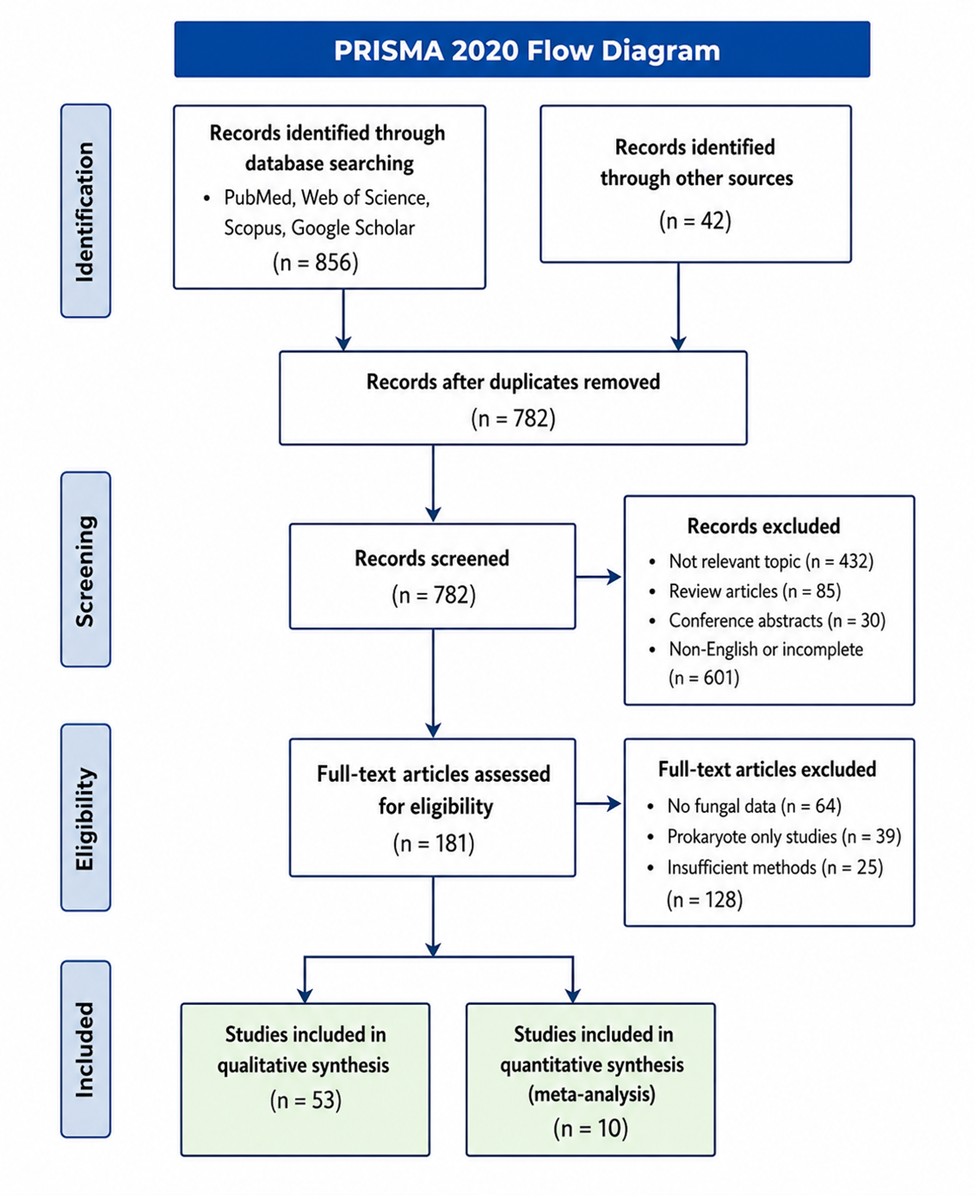
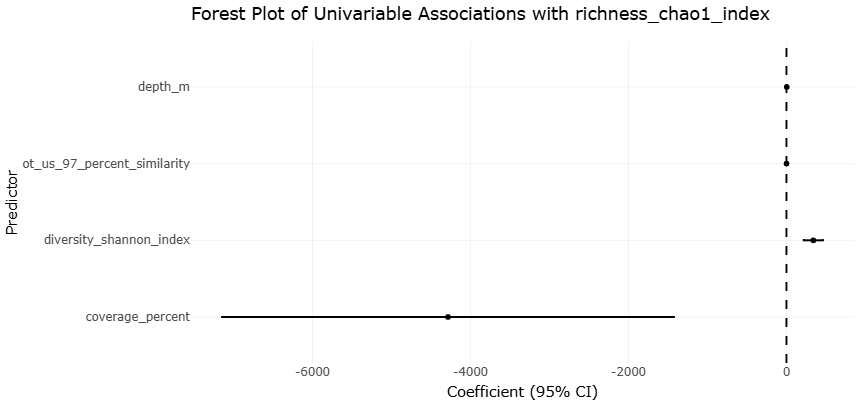
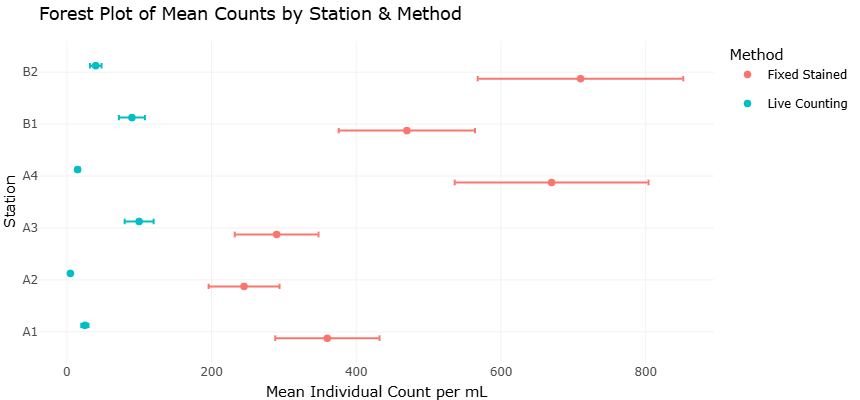
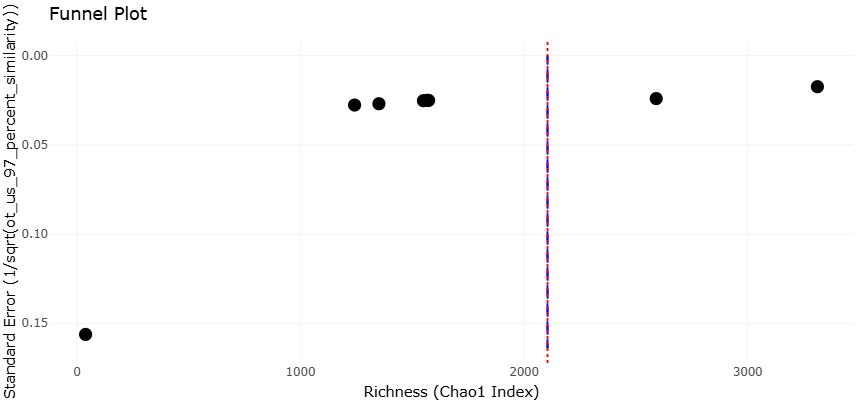
Taken together, evidence from systematic reviews and comparative meta-analyses of DHAB studies converges on a consistent conclusion: these basins are not isolated anomalies but dynamic ecosystems in which fungi play essential ecological and functional roles. By integrating geological context, microbial ecology, and molecular data, DHAB research provides critical insights into how life adapts to extreme and persistent stress. Understanding fungal diversity and activity in these environments not only expands our knowledge of deep-sea ecosystems but also informs broader questions about the limits of eukaryotic life, biogeochemical cycling under extreme conditions, and the potential for life in analogous extraterrestrial environments.