Microbial Bioactives

Microbial Bioactives | Online ISSN 2209-2161
402
Citations
273.1k
Views
187
Articles
Your new experience awaits. Try the new design now and help us make it even better
Switch to the new experience
Figures and Tables
RESEARCH ARTICLE   (Open Access)

Human Metapneumovirus Infection and Glycemic-Renal Dysregulation: Cytokine Correlates and Implications for Type 2 Diabetes Risk in a Case-Control Study

Nahla Ghazi Mohammed Al Loza 1*, Ali Hassanen Ali 2, Teba Habeeb Sayfe 3, Alaa Fadhil Razzaq 4

+ Author Affiliations

Microbial Bioactives 9 (1) 1-11 https://doi.org/10.25163/microbbioacts.9110780

Submitted: 21 April 2026 Revised: 23 June 2026  Published: 30 June 2026 


Abstract

Background: Human metapneumovirus (hMPV) is a globally distributed respiratory pathogen capable of provoking a vigorous innate inflammatory response, yet whether this response extends beyond the airway to perturb systemic glucose and renal physiology, with possible relevance to Type 2 diabetes risk, has rarely been examined directly.

Methods: In this case-control study, conducted across hospitals and laboratories in Babil Province, Iraq, between March 2025 and June 2026, we enrolled 60 patients with confirmed hMPV infection and 60 age-matched, non-diabetic healthy controls. Serum interleukin-8 (IL-8), interleukin-17 (IL-17), and anti-hMPV IgG were measured by ELISA, while fasting blood glucose (FBG), urea, and creatinine were quantified using automated biochemical assays. Group differences were assessed with independent t-tests and chi-square tests, and Pearson’s correlation examined relationships among parameters.

Results: Patients showed significantly higher FBG (6.54 vs. 5.50 mmol/L), urea (7.34 vs. 4.63 mmol/L), and hMPV IgG (5.22 vs. 3.69 IU/L) than controls (all P < 0.05), while IL-17 was significantly lower (142.6 vs. 151.4 pg/mL, P < 0.05); IL-8 and creatinine did not differ. Urea correlated positively with age (r = 0.209) and hMPV IgG (r = 0.198), and negatively with IL-17 (r = -0.201; all P < 0.05). Smoking was markedly more common among patients (80.0% vs. 15.0%, P < 0.001).

Conclusion: hMPV infection appears to coincide with a transient hyperglycemic, pro-catabolic state alongside suppressed IL-17 signaling, a pattern that may carry implications for Type 2 diabetes risk in susceptible individuals. These preliminary associations support longitudinal follow-up to clarify causality and clinical relevance.

Keywords: Human metapneumovirus; Interleukin-17; Interleukin-8; Stress hyperglycemia; Type 2 diabetes risk

1. Introduction

Human metapneumovirus (hMPV) is, in epidemiological terms, a relatively young addition to the catalogue of respiratory pathogens, though the burden it imposes is anything but new. First isolated from young children in the Netherlands with acute lower respiratory illness in the early 2000s, the virus is now classified as an enveloped, negative-sense, single-stranded RNA pathogen of roughly 13 kb within the Pneumovirinae subfamily of the family Pneumoviridae (Biacchesi et al., 2004). What makes hMPV worth revisiting, even two decades on, is less its taxonomy than its quiet ubiquity: surveillance from refugee settings in Kenya has placed prevalence near 5.7% (Jamal et al., 2012), while community-based estimates elsewhere range from roughly 5% to 15%, with the elderly and immunocompromised disproportionately represented among those affected (Sumino et al., 2005).

Clinically, the virus is something of a chameleon. Many infections pass as little more than a cold, a cough lingering a few days longer than expected, while others progress, sometimes unpredictably, toward bronchiolitis, pneumonia, or a syndrome resembling severe acute respiratory illness (Boivin et al., 2004). Older adults and those with compromised immunity appear to carry a disproportionate share of this severe end, a pattern documented across hospitalization-based surveillance (Falsey et al., 2003; Widmer et al., 2021), and recent case reports continue to underscore just how diagnostically elusive severe presentations can be (Filho et al., 2025). Yet no licensed vaccine or targeted antiviral currently exists; supportive care remains, more or less by default, the standard of management (Simoes et al., 2006).

Part of the reason hMPV produces such variable disease may lie not only in the virus itself but in how forcefully, or how poorly, the host responds to it. Infection of the respiratory epithelium, mediated through the virus’s fusion (F) and attachment (G) glycoproteins, triggers pattern-recognition-receptor signaling in dendritic cells, macrophages, and epithelial cells, mobilizing a fairly stereotyped repertoire of pro-inflammatory cytokines and chemokines (Ruuskanen et al., 2011). This innate response is, in principle, protective; in practice, it can tip toward collateral damage, particularly where viral infection intersects with pre-existing airway vulnerability, as observed in asthma exacerbation (Busse et al., 2010). Among the molecules implicated in this balance, interleukin-8 (IL-8) and interleukin-17 (IL-17) have drawn particular attention.

IL-8, also known as CXCL8, behaves rather like an alarm bell for neutrophils: rapidly upregulated in infected airway epithelium and typically peaking within 12 to 24 hours of infection, it recruits neutrophils to the site of viral replication with considerable efficiency (Huck et al., 2007). The trouble is that neutrophils, once summoned, are not especially discriminating; their accumulation can clear pathogen but also injure the very tissue they are meant to defend, a dynamic implicated in both viral clearance and progressive lung injury (Alvarez et al., 2005; Medoff et al., 2009).

IL-17 tells a more ambiguous story. Secreted predominantly by Th17 cells, a lineage whose biology has been reviewed extensively elsewhere (Korn et al., 2009), it amplifies downstream inflammatory signaling and has been shown, in experimental models, to drive neutrophils into the alveolar space following hMPV-induced IL-17 release from bronchial epithelial cells via the viral G protein (Kolli et al., 2008). Yet hMPV’s cytokine signature appears genuinely distinct from that of its close relative, respiratory syncytial virus, which suggests that not every paramyxovirus infection provokes an identical Th17-skewed response, and that IL-17’s net effect, protective in some settings and pathogenic in others, may depend heavily on timing and host factors that remain incompletely mapped (Guerrero-Plata et al., 2005).

What has received comparatively little attention is whether this cytokine-driven inflammatory milieu reaches beyond the lung to influence systemic metabolism. Acute infection is well known to provoke transient hyperglycemia through counter-regulatory hormones and cytokine-mediated insulin resistance, and chronic low-grade inflammation has long been implicated in metabolic disease more broadly (Hotamisligil, 2006). Renal indices such as urea and creatinine can likewise shift with systemic inflammation or catabolic stress even absent intrinsic kidney disease. Whether hMPV infection meaningfully perturbs these parameters, and whether such perturbation might foreshadow, or merely accompany, a transient diabetogenic state, remains essentially untested, despite growing interest in how respiratory viral disease intersects with airway and systemic metabolic health (Chittiprol et al., 2025; Dickson et al., 2016). Accordingly, this case-control study set out to characterize serum IL-8, IL-17, and anti-hMPV IgG alongside fasting glucose, urea, and creatinine in hMPV-confirmed, non-diabetic patients relative to healthy controls, with the broader aim of clarifying whether this virus carries detectable implications for glycemic and renal health, including possible relevance to Type 2 diabetes risk.
2. Materials and Methods

2.1 Study Design, Setting, and Ethical Approval

This investigation was designed as a cross-sectional case-control study rather than a randomized or longitudinal trial, reflecting its primary aim of characterizing group-level differences rather than establishing temporal causality. Recruitment and sample collection took place between March 2025 and June 2026 across a network of clinical and laboratory sites in Babil Province, Iraq, comprising Imam Sadiq Hospital, Al-Hilla Teaching Hospital, Marjan Teaching Hospital, the local public health laboratory, and several affiliated private laboratories and clinics. The study protocol was reviewed and approved by Ethical approval and research facilitation were granted by the Babylon Health Directorate, Ministry of Health, Republic of Iraq (Training and Human Development Center / Research Affairs Unit), under official correspondence dated 18 January 2025, and the study was conducted in accordance with the principles of the Declaration of Helsinki, and written informed consent was obtained from every participant prior to enrollment.

2.2 Study Population and Eligibility Criteria

A total of 120 adults were enrolled and divided evenly into two groups of 60: a patient group with laboratory-confirmed hMPV infection, and a control group of apparently healthy individuals with no recent history of respiratory illness, drawn from the same general community. Eligibility for the patient group required a confirmed hMPV diagnosis and an age between 30 and 99 years; individuals with pre-existing diabetes mellitus, chronic renal failure, or autoimmune disease were excluded from both groups, specifically so that any glycemic, renal, or immunological differences observed could be attributed to the infection itself rather than to a confounding chronic condition. This distinction matters for interpretation: any hyperglycemia detected in the patient group, given this exclusion, reflects an acute, infection-associated metabolic shift rather than a pre-existing diabetic state, though, as discussed later, it may still carry implications for longer-term Type 2 diabetes risk.

2.3 Clinical Data Collection and Severity Grading

Demographic and clinical information, including age, sex, body mass index, smoking status, fever duration, cough severity, dyspnea grade, and oxygen saturation, was captured using a prospectively designed electronic case-report form. Comorbid conditions not meeting exclusion thresholds were recorded, alongside vital signs measured at admission and daily thereafter for hospitalized patients. Disease severity was graded according to World Health Organization criteria for acute respiratory infection into four tiers: mild (upper respiratory symptoms only), moderate (lower respiratory symptoms with preserved oxygenation), severe (hypoxemia requiring supplemental oxygen), and critical (respiratory failure necessitating mechanical ventilation or evidence of multi-organ dysfunction). Length of hospital stay and need for intensive care or mechanical ventilation were documented where applicable.

2.4 Sample Collection and Processing

Venous blood (5-10 mL) was drawn from each participant under aseptic conditions and divided into two aliquots: one collected into an EDTA tube for cytokine analysis, the other into a plain tube for serum separation. Serum was obtained by centrifugation at 3,000 rpm for 10 minutes and stored at -20 °C until biochemical and immunological testing, with all samples processed within a standardized time window to minimize pre-analytical variability (Mahony, 2008). Hemolyzed samples (hemolysis index greater than 1+) were excluded from urea analysis specifically, since hemolysis is known to interfere with this assay.

2.5 Serological Detection of Anti-hMPV IgG

Anti-hMPV IgG antibodies were measured in all 120 serum samples using a commercially available sandwich enzyme-linked immunosorbent assay (Immuno Lab, Germany), performed according to the manufacturer’s protocol. Briefly, wells were pre-coated with capture antigen; 100 µL of serum diluent was added to each well along with 5 µL of sample, positive control, cutoff control, or negative control (the latter two run in duplicate). Plates were mixed for two minutes on a plate shaker to ensure homogeneity, then incubated at 37 ± 1 °C for 30 minutes. Following incubation, wells were aspirated and washed five times with 0.3 mL of working wash solution per well to remove unbound material. Substrate solution (100 µL) was added and incubated at room temperature, protected from light, for 20 minutes, after which 50 µL of stopping solution was added to terminate the reaction. Optical density was read immediately on a microplate reader at the wavelength specified by the manufacturer, and IgG concentrations were derived from the kit’s standard calibration curve.

2.6 Quantification of Serum IL-8 and IL-17

Serum IL-8 was quantified using a sandwich ELISA kit (Beckman Coulter, Marseille, France), and serum IL-17 using a separate sandwich ELISA kit (Al-Shkairate Company, Jordan), both performed per the respective manufacturers’ instructions. For each assay, absorbance was measured at 450 nm using a microplate reader, and cytokine concentrations were interpolated from kit-specific standard curves generated in parallel with each run. All samples were analyzed in duplicate to improve measurement precision and reduce inter-assay variability.

2.7 Biochemical Analysis: Glucose, Urea, and Creatinine

Fasting blood glucose, urea, and creatinine were measured on an automated clinical chemistry analyzer (Beckman Coulter AU5800, Brea, CA, USA), with commercially available Level I and Level II control sera run alongside every batch for quality assurance (Burtis et al., 2014). Glucose was measured using the glucose oxidase-peroxidase (GOD-POD) method (Beckman Coulter Glucose Kit, Catalog No. OSR6121; linear range 2-750 mg/dL [0.11-41.6 mmol/L]; normal fasting reference range 70-100 mg/dL [3.9-5.6 mmol/L]). Urea was measured by the urease-glutamate dehydrogenase (UV-kinetic) method (Beckman Coulter Urea Kit, Catalog No. OSR6134; linear range 2-200 mg/dL [0.33-33.3 mmol/L]; reference range 7-20 mg/dL [2.5-7.1 mmol/L]). Creatinine was measured by the Jaffe kinetic (alkaline picrate) method (Beckman Coulter Creatinine Kit, Catalog No. OSR6178; linear range 0.2-25 mg/dL [17.7-2,210 µmol/L]; reference range 0.6-1.2 mg/dL [53-106 µmol/L] for men and 0.5-1.1 mg/dL [44-97 µmol/L] for women). Estimated glomerular filtration rate was calculated from serum creatinine, age, and sex using the CKD-EPI equation. All assays followed Clinical and Laboratory Standards Institute (CLSI) recommendations, with internal quality control performed daily.

2.8 Statistical Analysis

Data were analyzed using IBM SPSS Statistics version 30, with graphs generated in GraphPad Prism version 10. Continuous variables are reported as mean ± standard error and were compared between groups using independent-samples t-tests, or one-way ANOVA where more than two subgroups were compared; categorical variables are reported as frequencies and percentages and were compared using the chi-square test. Pearson’s correlation coefficient was used to examine associations among age, cytokine levels, hMPV IgG, and biochemical parameters. A two-tailed P-value below 0.05 was considered statistically significant throughout.

3. Results

3.1 Demographic and Smoking Characteristics

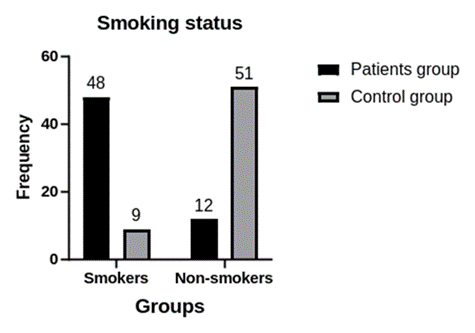
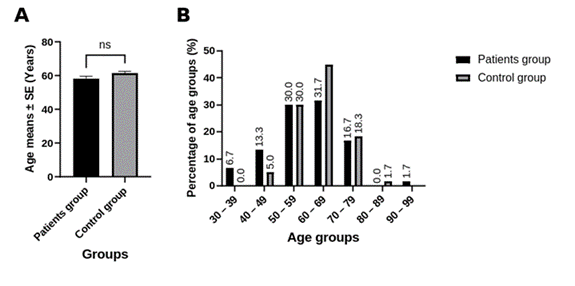
The patient and control groups were well matched for age, with comparable mean ages of 58.42 ± 1.50 years and 61.57 ± 1.10 years, respectively (P > 0.05), and a broadly similar age-group distribution across both cohorts, most participants in each group clustering in the 50-69-year range (Table 1, Figure 2). This balance was, in a sense, by design: it allows any downstream biochemical or immunological differences to be attributed more confidently to infection status rather than to an age-related confound. Smoking status, however, diverged sharply between groups. Eighty percent of patients (n = 48) were current smokers, compared with only 15.0% (n = 9) of controls, a difference that was highly significant (P < 0.001) and is illustrated in Figure 1. This imbalance raises the possibility that smoking itself functions as a predisposing factor for hMPV infection, a point we return to in the Discussion.

3.2 Biochemical and Immunological Parameters

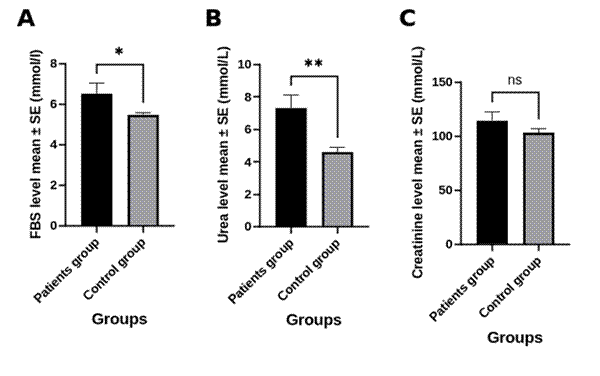
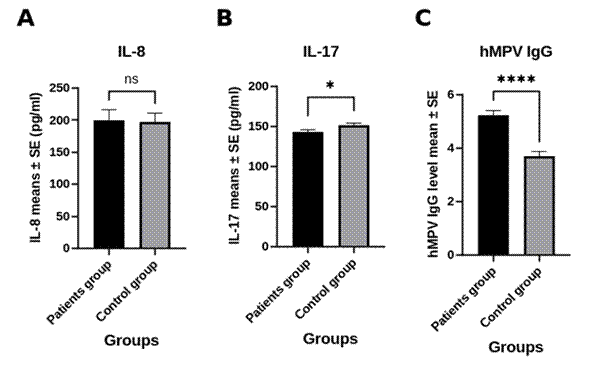
Patients showed a modestly but significantly higher fasting blood glucose than controls (6.54 ± 0.50 vs. 5.50 ± 0.11 mmol/L, P < 0.05), alongside a more pronounced elevation in serum urea (7.34 ± 0.79 vs. 4.63 ± 0.27 mmol/L, P < 0.001); creatinine, by contrast, did not differ meaningfully between groups (114.5 ± 7.96 vs. 103.0 ± 3.67 µmol/L, P > 0.05) (Table 2, Figure 3). Anti-hMPV IgG was, as expected given the case definition, markedly higher in patients than controls (5.22 ± 0.20 vs. 3.69 ± 0.17 IU/L, P < 0.001), consistent with active or recent infection. Among the cytokines, IL-8 showed no significant between-group difference (199.5 ± 16.19 vs. 196.7 ± 13.63 pg/mL, P > 0.05), whereas IL-17 was, somewhat unexpectedly, significantly lower in patients than in controls (142.6 ± 3.53 vs. 151.4 ± 2.72 pg/mL, P < 0.05) (Table 2, Figure 4). This pattern, elevated glucose and urea alongside suppressed rather than elevated IL-17, forms the central empirical puzzle this study set out to address.

3.3 Correlation Analysis

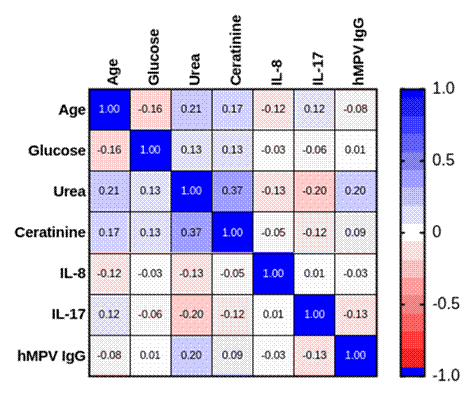
Pearson’s correlation analysis identified several modest but statistically significant associations across the combined cohort (Table 3, Figure 5). Age correlated positively with urea (r = 0.209, P < 0.05), consistent with the well-established tendency for renal handling of nitrogenous waste to shift gradually with advancing age. hMPV IgG titer also correlated positively with urea (r = 0.198, P < 0.05), suggesting that more pronounced antibody responses tracked with greater metabolic-renal perturbation. IL-17, meanwhile, correlated negatively with


Figure 1. Smoking prevalence among hMPV-infected patients and healthy controls. Bar chart showing the frequency of current smokers and non-smokers in the patient group (hMPV-confirmed, n = 60; black bars) and the control group (healthy non-diabetic volunteers, n = 60; grey bars). Values on bars indicate absolute frequencies. Smoking was significantly more prevalent among patients (80.0% vs. 15.0%; chi-square test, P < 0.001), suggesting a possible role for cigarette smoke-mediated airway vulnerability in predisposing individuals to hMPV infection. Data are presented as frequencies (n).

Table 1. Demographic and smoking characteristics of patients and control groups. Summary statistics for the patient group (hMPV-confirmed adults without pre-existing diabetes, chronic renal failure, or autoimmune disease; n = 60) and the control group (apparently healthy, non-diabetic community volunteers; n = 60), recruited across hospitals and laboratories in Babil Province, Iraq. Age is reported as mean ± standard error (SE); all other variables are reported as n (%). Statistical comparisons used independent-samples t-tests for continuous variables and chi-square tests for categorical variables. A two-tailed P < 0.05 was considered statistically significant. SE = standard error; ns = not significant (P > 0.05).

Characteristic

Patients (n = 60)

Control (n = 60)

P-value

Age, mean ± SE (years)

58.42 ± 1.50

61.57 ± 1.10

> 0.05

Age group 30–39, n (%)

4 (6.7)

0 (0.0)


Age group 40–49, n (%)

8 (13.3)

3 (5.0)


Age group 50–59, n (%)

18 (30.0)

18 (30.0)


Age group 60–69, n (%)

19 (31.7)

27 (45.0)


Age group 70–79, n (%)

10 (16.7)

11 (18.3)


Age group 80–89, n (%)

0 (0.0)

1 (1.7)


Age group 90–99, n (%)

1 (1.7)

0 (0.0)

> 0.05

Smokers, n (%)

48 (80.0)

9 (15.0)


Non-smokers, n (%)

12 (20.0)

51 (85.0)

< 0.001

Table 2. Biochemical and immunological parameters (mean ± SE) in patients and control groups. Serum concentrations of fasting blood glucose (FBG), urea, creatinine, IL-8, IL-17, and anti-hMPV IgG in the patient group (n = 60) and the control group (n = 60). FBG and urea were measured by enzymatic methods; creatinine by the Jaffe kinetic method; IL-8 and IL-17 by sandwich ELISA; anti-hMPV IgG by sandwich ELISA (Immuno Lab, Germany). All values are mean ± SE. Between-group comparisons by independent-samples t-tests; two-tailed P < 0.05 considered statistically significant. FBG = fasting blood glucose; IL-8 = interleukin-8; IL-17 = interleukin-17; hMPV IgG = anti-human metapneumovirus immunoglobulin G; SE = standard error; ns = not significant (P > 0.05).

Parameter

Patients (n = 60)

Control (n = 60)

P

Fasting blood glucose (mmol/L)

6.54 ± 0.50

5.50 ± 0.11

< 0.05

Urea (mmol/L)

7.34 ± 0.79

4.63 ± 0.27

< 0.001

Creatinine (µmol/L)

114.5 ± 7.96

103.0 ± 3.67

> 0.05

IL-8 (pg/mL)

199.5 ± 16.19

196.7 ± 13.63

> 0.05

IL-17 (pg/mL)

142.6 ± 3.53

151.4 ± 2.72

< 0.05

hMPV IgG (IU/L)

5.22 ± 0.20

3.69 ± 0.17

< 0.001

Figure 2. Age distribution of patients and controls. (A) Mean age (±SE) in the patient group (hMPV-confirmed, n = 60; black bar) and the control group (healthy non-diabetic volunteers, n = 60; grey bar). No statistically significant difference was observed between groups (58.42 ± 1.50 vs. 61.57 ± 1.10 years; independent-samples t-test, P > 0.05; ns), indicating adequate age-matching. (B) Percentage distribution across 10-year age bands (30–99 years). Both groups clustered predominantly in the 50–69-year range (patients: 61.7%; controls: 75.0%); age-group distribution did not differ significantly between groups (chi-square test, P > 0.05). Data are presented as mean ± SE (A) and percentage of group total (B). ns = not significant.

urea (r = -0.201, P < 0.05), the inverse of what a purely pro-inflammatory model of IL-17 would predict, and a finding explored further below. No significant correlations emerged between any immunological marker and either fasting glucose or creatinine, suggesting that whatever drives the glycemic shift observed in patients operates at least partly independently of the IL-8/IL-17 axis measured here.

4. Discussion

The absence of a significant age difference between patients and controls (P > 0.05) is, in one sense, an unremarkable finding, it simply confirms that the groups were adequately matched, but it also reinforces that age was not the principal axis along which susceptibility to hMPV infection, at least within this sample, appeared to vary (Falsey et al., 2003). What did vary substantially was smoking status, and it is tempting to wonder whether this single behavioral factor carries more explanatory weight here than chronological age.

The elevation in fasting glucose among patients is broadly consistent with stress hyperglycemia, a well-recognized phenomenon in acute infection driven by counter-regulatory hormones, cortisol and catecholamines principally, together with cytokine-mediated insulin resistance and increased hepatic glucose output (Hotamisligil, 2006). It is worth being precise about what this finding does, and does not, show: because individuals with pre-existing diabetes were excluded from this cohort, the hyperglycemia observed here cannot reflect undiagnosed pre-existing disease. What it may reflect, instead, is a transient, infection-induced metabolic state that mimics, at least biochemically, early Type 2 diabetes. Whether such episodes of viral-associated hyperglycemia genuinely raise long-term diabetes risk, or simply resolve once the infection clears, is a question this cross-sectional design cannot answer on its own, though it is one that postviral metabolic research, in other infectious contexts, has begun to take more seriously.

Urea, but not creatinine, was significantly elevated in patients, a dissociation that is itself informative. Because urea production is sensitive to protein catabolism, hydration status, and hepatic function, whereas creatinine more specifically reflects muscle mass and glomerular filtration, this pattern suggests heightened catabolic stress and possibly reduced effective circulating volume during acute illness, rather than frank renal dysfunction (Park et al., 2017). The positive correlation between age and urea (r = 0.209) fits comfortably with the well-documented, gradual decline in renal reserve that accompanies aging, while the correlation between hMPV IgG and urea (r = 0.198) raises the possibility, admittedly speculative, that more vigorous antibody responses track with greater systemic metabolic strain rather than simply reflecting more efficient viral clearance (Lawrence et al., 2017).

IL-8 levels did not differ significantly between groups, a result that, on reflection, need not be surprising. IL-8 is an early-response chemokine that typically peaks within the first day or so of infection (Huck et al., 2007); if blood was drawn somewhat later in the clinical course, or if hMPV, unlike its relative RSV, simply provokes a comparatively muted IL-8 response in this patient population, a null finding at the group level would follow naturally rather than indicating an absence of any IL-8-mediated pathology (Guerrero-Plata et al., 2005).

The most striking, and admittedly counterintuitive, finding was that IL-17 was significantly lower, not higher, in patients than in controls. On its face, this sits awkwardly alongside a substantial body of literature positioning IL-17 as a driver of inflammatory pathology in respiratory viral infection (Kolli et al., 2008). Yet the immunological literature on IL-17 is, in truth, more divided than that single framing suggests: IL-17 also supports CD8+ T-cell cytotoxicity and B-cell antibody production, and its deficiency, rather than its excess, has been linked to worse outcomes in other viral contexts, including impaired viral control in West Nile virus infection and more severe lung inflammation in neonatal models of respiratory viral disease (Acharya et al., 2010; Ma et al., 2019). Read through that lens, the lower IL-17 observed here may represent a relative failure of protective Th17-skewed immunity rather than a dampening of pathogenic inflammation, and the negative correlation between IL-17 and urea (r = -0.201) would then suggest that this protective deficit tracks, in some fashion, with greater metabolic-renal strain.

hMPV IgG titers were, unsurprisingly, higher in patients, consistent with an active or recent humoral response to infection. The positive correlation between IgG and urea raises the alternative possibility that elevated antibody titers do not straightforwardly indicate protective immunity but may instead coincide with, or even contribute to, more severe systemic disease manifestations, a pattern that would need confirmation in studies measuring antibody

Figure 3. Serum fasting blood glucose, urea, and creatinine levels in hMPV-infected patients and healthy controls. Bar charts showing mean (±SE) concentrations of (A) fasting blood glucose (FBG; mmol/L), (B) urea (mmol/L), and (C) creatinine (µmol/L) in the patient group (hMPV-confirmed, n = 60; black bars) and the control group (healthy non-diabetic volunteers, n = 60; grey bars). FBG was significantly elevated in patients (6.54 ± 0.50 vs. 5.50 ± 0.11 mmol/L; *P < 0.05). Urea was markedly higher in patients (7.34 ± 0.79 vs. 4.63 ± 0.27 mmol/L; **P < 0.001). Creatinine did not differ significantly between groups (114.5 ± 7.96 vs. 103.0 ± 3.67 µmol/L; ns, P > 0.05). All comparisons by independent-samples t-tests. Data are mean ± SE. *P < 0.05; **P < 0.001; ns = not significant. Note: the creatinine y-axis in panel C carries the label “mmol/L” in the source chart; the biologically correct unit is µmol/L (consistent with Table 2) and must be corrected at the chart source before submission.

Figure 4. Serum IL-8, IL-17, and anti-hMPV IgG concentrations in hMPV-infected patients and healthy controls. Bar charts showing mean (±SE) concentrations of (A) interleukin-8 (IL-8; pg/mL), (B) interleukin-17 (IL-17; pg/mL), and (C) anti-hMPV IgG (IU/L) in the patient group (hMPV-confirmed, n = 60; black bars) and the control group (healthy non-diabetic volunteers, n = 60; grey bars). IL-8 did not differ significantly between groups (199.5 ± 16.19 vs. 196.7 ± 13.63 pg/mL; ns, P > 0.05). IL-17 was significantly lower in patients than controls (142.6 ± 3.53 vs. 151.4 ± 2.72 pg/mL; *P < 0.05), suggesting relative suppression of Th17-mediated immunity during acute hMPV infection. Anti-hMPV IgG was markedly higher in patients, consistent with active or recent infection (5.22 ± 0.20 vs. 3.69 ± 0.17 IU/L; ****P < 0.001). All comparisons by independent-samples t-tests. Data are mean ± SE. *P < 0.05; ****P < 0.001; ns = not significant.

Table 3. Pearson correlation coefficients between age, cytokines, hMPV IgG, and biochemical parameters (combined cohort, n = 120). Pearson’s r values for pairwise associations between each row variable (age, IL-8, IL-17, anti-hMPV IgG) and each column variable (FBG, urea, creatinine), computed across the full combined cohort (patients plus controls, n = 120). Positive r values indicate a direct association; negative values indicate an inverse association. All tests were two-tailed with α = 0.05. r = Pearson correlation coefficient; FBG = fasting blood glucose; IL-8 = interleukin-8; IL-17 = interleukin-17; hMPV IgG = anti-human metapneumovirus immunoglobulin G. *P < 0.05.

Parameter

FBG (r)

Urea (r)

Creatinine (r)

Age

-0.161

0.209*

0.172

IL-8

-0.026

-0.127

-0.053

IL-17

-0.057

-0.201*

-0.117

hMPV IgG

-0.008

0.198*

0.089

Figure 5. Pearson correlation heatmap across age, biochemical, and immunological parameters in the combined study cohort (n = 120). Colour-coded symmetric correlation matrix displaying Pearson’s r values for pairwise associations among age, fasting blood glucose (Glucose), urea, creatinine, IL-8, IL-17, and anti-hMPV IgG across the full cohort (patients plus controls, n = 120). Blue cells indicate positive correlations; red cells indicate negative correlations; colour intensity scales with r magnitude (scale bar: −1.0 to +1.0). Diagonal cells represent self-correlation (r = 1.00). Statistically significant associations (P < 0.05) include: age–urea (r = 0.21), urea–creatinine (r = 0.37), IL-17–urea (r = −0.20), and hMPV IgG–urea (r = 0.20). All correlations were two-tailed, α = 0.05. Note: the row and column label reads “Ceratinine” in the source chart; the correct spelling is “Creatinine” and should be amended before submission.

avidity or neutralizing capacity rather than total IgG alone.

Smoking emerged as a striking risk marker, present in 80% of patients versus 15% of controls, and its plausibility as a contributing factor is reinforced by what is already known about how smoking degrades airway epithelial integrity and reshapes local immune function, creating conditions arguably more permissive for viral establishment and for disruption of the broader airway microbiome (Chittiprol et al., 2025; Dickson et al., 2016). Taken together, the overall pattern, elevated glucose and urea, suppressed IL-17, heightened IgG, and a strong smoking association, paints a picture of multifactorial vulnerability rather than any single dominant mechanism. Whether the glycemic and IL-17 disturbances observed here are transient epiphenomena of acute infection or early markers of more durable post-infectious metabolic and immune dysregulation, potentially relevant to Type 2 diabetes risk, remains an open and, we think, genuinely important question.

Several limitations temper these conclusions. The cross-sectional design precludes causal inference, sample size was modest, and the absence of longitudinal follow-up means we cannot determine whether the metabolic changes observed here persist, worsen, or resolve after infection clears. Future studies tracking glycemic and cytokine trajectories over time, ideally alongside markers of insulin resistance such as HOMA-IR, would be better positioned to clarify whether hMPV infection is a meaningful contributor to diabetes risk or simply an incidental, self-limited stressor.

5. Conclusion

This case-control study suggests that human metapneumovirus infection is accompanied by a distinct metabolic and immunological signature: modestly elevated fasting glucose and urea, suppressed IL-17, and heightened anti-hMPV IgG, even as creatinine and IL-8 remained essentially unchanged. Taken together, these findings hint that the inflammatory stress imposed by hMPV may transiently push glucose regulation toward a pre-diabetic, perhaps even diabetogenic, state, a relationship that, if confirmed, would carry meaningful implications for individuals already at elevated metabolic risk. The inverse relationship between IL-17 and urea further suggests that weakened, rather than excessive, Th17-mediated immunity may underlie disease severity here, a more nuanced picture than the purely pro-inflammatory role often attributed to this cytokine. Given the modest sample size and cross-sectional design, these associations are best treated as hypothesis-generating. Larger, longitudinal cohorts tracking glycemic and cytokine trajectories after confirmed hMPV infection are needed to establish whether this virus contributes to new-onset Type 2 diabetes risk.

Author Contributions

Conceptualization, Methodology, Investigation, Data curation, Writing – original draft, Supervision: N.G.A.L. Investigation, Formal analysis, Resources, Writing – review & editing: A.H.A. Sample collection, Laboratory analysis (ELISA), Writing – review & editing: T.H.S. Biochemical and statistical analysis, Validation, Writing – review & editing: A.F.R.

Acknowledgements

The authors thank the clinical and laboratory staff at Imam Sadiq Hospital, Al-Hilla Teaching Hospital, Marjan Teaching Hospital, and the affiliated public health and private laboratories in Babil City for their assistance with patient recruitment and sample processing. We are also grateful to all study participants for their voluntary involvement.

Competing Financial Interests

The authors Nahla declare no competing financial interests.

References


Acharya, D., Wang, P., & Bhatt, L. (2010). Interleukin-17 deficiency exacerbates West Nile virus infection by impairing viral clearance. Journal of Virology, 84(22), 11589-11598.

Alvarez, R., & Tripp, R. A. (2005). The contribution of biologically relevant chemokines to respiratory syncytial virus pathogenesis. Viral Immunology, 18(3), 405-413.

Biacchesi, S., Skiadopoulos, M. H., Yang, L., Lamirande, E. W., Tran, K. C., Murphy, B. R., Collins, P. L., & Buchholz, U. J. (2004). Recombinant human metapneumovirus lacking the small hydrophobic SH and/or attachment G glycoprotein: deficiencies in growth and immunogenicity. Virology, 321(2), 247-259.

Boivin, G., Mackay, I., Sloots, T. P., Madhi, S., Freymuth, F., Wolf, D., Shemer-Avni, Y., Ludewick, H., Gray, G. C., & LeBlanc, E. (2004). Global genetic diversity of human metapneumovirus fusion gene. Emerging Infectious Diseases, 10(6), 1154-1157.

Burtis, C. A., Ashwood, E. R., Bruns, D. E., & Tietz, N. W. (2014). Tietz textbook of clinical chemistry and molecular diagnostics (5th ed.). Elsevier.

Busse, W. W., Lemanske, R. F., Jr., & Gern, J. E. (2010). Role of viral respiratory infections in asthma and asthma exacerbations. The Lancet, 376(9743), 826-834.

Chittiprol, N., Kandi, V., Pinnelli, V. B. K., Suvvari, T. K., Madamsetti, N., Ca, J., & Challa, S. (2025). The re-emergence of human metapneumovirus: a review of epidemiology, clinical features, and public health implications. Cureus, 17(3), e85259. https://doi.org/10.7759/cureus.85259

Dickson, R. P., Erb-Downward, J. R., Martinez, F. J., & Huffnagle, G. B. (2016). The microbiome and the respiratory tract. Annual Review of Physiology, 78, 481-504.

Falsey, A. R., Erdman, D., Anderson, L. J., & Walsh, E. E. (2003). Human metapneumovirus infections in young and elderly adults. The Journal of Infectious Diseases, 187(5), 785-790.

Filho, R. C. C., Saddy, F., Costa, J. L. F., & Tavares, L. R. (2025). Severe pneumonia caused by human metapneumovirus in an adult patient: a case report. Microorganisms, 13(1), 73. https://doi.org/10.3390/microorganisms13010073

Guerrero-Plata, A., Casola, A., & Garofalo, R. P. (2005). Human metapneumovirus induces a distinct cytokine response in human bronchial epithelial cells compared to respiratory syncytial virus. Journal of Virology, 79(23), 14992-14997. https://doi.org/10.1128/JVI.79.23.14992-14997.2005

Hotamisligil, G. S. (2006). Inflammation and metabolic disorders. Nature, 444(7121), 860-867.

Huck, B., Neumann-Haefelin, D., Schmitt-Graef, A., Weckmann, M., Mattes, J., Ehl, S., & Falcone, V. (2007). Human metapneumovirus induces more severe disease and stronger innate immune response in BALB/c mice as compared with respiratory syncytial virus. Respiratory Research, 8(1), 6.

Jamal, A., Katz, M. A., Auko, E., Njenga, M. K., Weinberg, M., Kapella, B. K., Burke, H., Nyoka, R., Gichangi, A., Waiboci, L. W., Mahamud, A., Qassim, M., Swai, B., Wagacha, B., Mutonga, D., Nguhi, M., Breiman, R. F., & Eidex, R. B. (2012). Epidemiology of respiratory viral infections in two long-term refugee camps in Kenya, 2007-2010. BMC Infectious Diseases, 12, 7.

Kolli, D., Bataki, E. L., Spetch, L., Guerrero-Plata, A., Jewell, A. M., Piedra, P. A., Milligan, G. N., Garofalo, R. P., & Casola, A. (2008). T lymphocytes contribute to antiviral immunity and pathogenesis in experimental human metapneumovirus infection. Journal of Virology, 82(17), 8560-8569.

Korn, T., Bettelli, E., Oukka, M., & Kuchroo, V. K. (2009). IL-17 and Th17 cells. Annual Review of Immunology, 27, 485-517. https://doi.org/10.1146/annurev.immunol.021908.132710

Lawrence, S. M., Ruoss, J. L., & Wynn, J. L. (2017). IL-17 in neonatal health and disease. American Journal of Reproductive Immunology, 79(3), e12624.

Ma, W., Yao, X., Peng, Q., & Chen, D. (2019). The protective and pathogenic roles of IL-17 in viral infections: friend or foe? Open Biology, 9(7), 190109.

Mahony, J. B. (2008). Detection of respiratory viruses by molecular methods. Clinical Microbiology Reviews, 21(4), 716-747. https://doi.org/10.1128/CMR.00037-07

Medoff, B. D., Seung, E., Hong, S., Thomas, S. Y., Sandall, B. P., Duffield, J. S., Kuperman, D. A., Erle, D. J., & Luster, A. D. (2009). CD11b+ myeloid cells are the key mediators of Th2 cell homing into the airway in allergic inflammation. Journal of Immunology, 182(1), 623-635.

Park, J., Kim, Y., Kwon, E., Callaway, Z., Fujisawa, T., & Kim, C. (2017). Comparison of nasal cytokine profiles of human metapneumovirus and respiratory syncytial virus. Asia Pacific Allergy, 7(4), 206-213. https://doi.org/10.5415/apallergy.2017.7.4.206

Ruuskanen, O., Lahti, E., Jennings, L. C., & Murdoch, D. R. (2011). Viral pneumonia. The Lancet, 377(9773), 1264-1275.

Simoes, E., Cherian, T., Chow, J., Shahid-Salles, S., Laxminarayan, R., John, T. J., Jamison, D. T., Breman, J. G., Measham, A. R., Alleyne, G., Claeson, M., Evans, D. B., Jha, P., Mills, A., & Musgrove, P. (2006). Acute respiratory infections in children. In D. T. Jamison et al. (Eds.), Disease control priorities in developing countries (2nd ed., pp. 483-497). World Bank.

Sumino, K. C., Agapov, E., Pierce, R. A., Trulock, E. P., Pfeifer, J. D., Ritter, J. H., Gaudreault-Keener, M., Storch, G. A., & Holtzman, M. J. (2005). Detection of severe human metapneumovirus infection by real-time polymerase chain reaction and histopathological assessment. The Journal of Infectious Diseases, 192(10), 1052-1060.

Widmer, K., Zhu, Y., Williams, J. V., Griffin, M. R., Edwards, K. M., & Talbot, H. K. (2021). Rates of hospitalizations for respiratory syncytial virus, human metapneumovirus, and influenza virus in older adults. The Journal of Infectious Diseases, 206(1), 56-62. https://doi.org/10.1093/infdis/jis309


Article metrics
View details
0
Downloads
0
Citations
61
Views
📖 Cite article

View Dimensions


View Plumx


View Altmetric


0
Save
0
Citation
61
View
0
Share