Applied Agriculture Sciences

Agriculture and food sciences | Online ISSN: 3066-3407
23
Citations
76.3k
Views
40
Articles
Your new experience awaits. Try the new design now and help us make it even better
Switch to the new experience
Figures and Tables
RESEARCH ARTICLE   (Open Access)

Bromelain as a Natural Feed Additive Enhances Growth Performance and Feed Conversion Efficiency in Broiler Chickens

Saif Shakir Mahmood Al Jassan1, Nihad Abdul-Lateef Ali2*

+ Author Affiliations

Applied Agriculture Sciences 4 (1) 1-11 https://doi.org/10.25163/agriculture.4110750

Submitted: 02 March 2026 Revised: 29 April 2026  Published: 06 May 2026 


Abstract

The increasing restriction on synthetic growth promoters in poultry production has encouraged the search for safer and more sustainable natural feed additives. Among these, bromelain—a proteolytic enzyme complex derived from pineapple—has gained attention because of its digestive, antioxidant, and metabolic properties. The present study investigated the effects of supplementing different concentrations of bromelain enzyme on the productive performance of broiler chickens. A total of 300 unsexed Ross 308 broiler chicks were randomly assigned to five dietary treatments with three replicates each. Birds received either a basal diet without bromelain (control) or diets supplemented with 1.0, 1.5, 2.0, and 2.5 g bromelain/kg feed for 35 days. Growth-related parameters including live body weight, body weight gain, feed intake, feed conversion ratio (FCR), mortality rate, and production index were evaluated throughout the experimental period. The results demonstrated that bromelain supplementation positively influenced broiler productivity, particularly at moderate to higher inclusion levels. Birds in treatments receiving 1.5–2.5 g/kg bromelain exhibited significantly greater live body weight and total body weight gain during the later growth stages compared with the control group. Feed intake was generally unaffected, although slightly greater consumption was observed in higher-dose treatments during the final week. Importantly, feed conversion ratio improved significantly in birds supplemented with 1.5 and 2.5 g/kg bromelain, indicating enhanced feed utilization efficiency. Mortality rates remained unaffected among treatments, while the production index increased noticeably in bromelain-supplemented groups. Overall, the findings suggest that dietary bromelain may serve as a promising natural feed additive capable of improving growth performance and feed efficiency in broiler chickens without adverse effects on survivability.

Keywords: Bromelain enzyme, broiler chickens, feed conversion ratio, productive performance, natural feed additive

1. Introduction

The efficiency of modern poultry production, perhaps more than ever, hinges on precise nutritional strategies that not only support rapid growth but also safeguard animal health and product quality. Diet formulation, in this sense, is not just a technical requirement—it becomes a central determinant of physiological performance, welfare, and ultimately economic return (Abdallah et al., 2017). Over time, however, the reliance on synthetic additives—particularly antibiotics and growth promoters—has begun to raise uncomfortable questions. Concerns about residue accumulation, antimicrobial resistance, and long-term health implications have gradually shifted both regulatory policies and scientific priorities. The European Union’s prohibition of antibiotic growth promoters marked a turning point, prompting researchers to reconsider how productivity can be sustained without compromising safety (Anonymous, 2006).

In response, attention has increasingly turned toward natural bioactive compounds derived from plants. These compounds—ranging from polyphenols and carotenoids to vitamins and enzymatic proteins—offer a multifaceted approach to enhancing physiological function while minimizing adverse effects. Their roles are not limited to simple nutrient supplementation; rather, they appear to influence oxidative balance, immune modulation, and metabolic efficiency (Đilas et al., 2009; Ognik et al., 2016). Still, despite this growing interest, the transition from synthetic to natural additives has not been entirely straightforward. There remains a need to identify compounds that are not only biologically effective but also economically viable and consistent in performance under commercial conditions.

Among such candidates, bromelain has begun to attract attention—though perhaps not as widely as it deserves. Extracted primarily from the stem of pineapple (Ananas comosus), bromelain is a complex mixture of proteolytic enzymes along with associated components such as phosphatases and glycoproteins (Larocca et al., 2010; Shahbaz et al., 2015). At first glance, its role seems intuitive: as a protease, it facilitates protein breakdown, potentially improving nutrient digestibility and absorption. Yet, its biological influence appears to extend further. Studies suggest that bromelain may also exert immunomodulatory effects, influencing both T-cell and B-cell responses (Engwerda et al., 2001), and may contribute to antioxidant defense mechanisms (Manosroi et al., 2014). These combined properties make it an intriguing candidate for poultry nutrition, particularly in systems aiming to reduce synthetic inputs.

That said, the exact mechanisms through which bromelain influences growth performance are still, in some respects, not entirely clear. There is evidence indicating that metabolic pathways—especially those regulated by thyroid hormones—could be involved. Thyroid hormones, including triiodothyronine (T3), play a critical role in regulating energy metabolism, gluconeogenesis, and protein synthesis (Comte et al., 1990; Mullur et al., 2014). Their interaction with growth-related factors such as insulin-like growth factor-1 (IGF-1) further suggests a pathway through which enzymatic supplementation might enhance muscle development and feed efficiency (Jannini et al., 1995; Ali et al., 2021). At the same time, oxidative stress—an often-overlooked factor in intensive poultry systems—can impair growth and health. Natural antioxidants, including enzyme-derived compounds, may mitigate this stress by enhancing endogenous defense systems such as superoxide dismutase activity (Shahidi, 2008; Ahl, 2010).

Even so, despite these promising theoretical and experimental insights, there remains a noticeable gap in applied research—particularly regarding optimal inclusion levels and their direct effects on productive performance in broiler systems. Variability in dosage, diet composition, and experimental conditions has made it difficult to draw consistent conclusions. This uncertainty, perhaps, is what makes further investigation necessary rather than redundant.

Against this backdrop, the present study was designed to evaluate the impact of graded levels of bromelain supplementation on broiler performance. By examining parameters such as body weight, feed intake, feed conversion ratio, and production index, the study aims to clarify whether bromelain can serve as a reliable natural alternative to conventional growth-promoting additives. In doing so, it contributes to an ongoing effort to align poultry production with safer, more sustainable nutritional practices—without sacrificing productivity.

2. Materials and Methods

2.1 Experimental Site and Duration

This experiment was carried out at the poultry research facility of the College of Agriculture, Al-Qasim Green University, over a defined production cycle spanning from 19 March to 25 April 2024. The choice of this period—early spring—was not incidental; environmental conditions during this time tend to remain relatively stable, minimizing seasonal stressors that could otherwise confound growth performance outcomes. While not entirely eliminative of environmental variation, this setting allowed for a reasonably controlled assessment of dietary effects under practical farming conditions.

2.2 Experimental Birds and Housing Management

A total of 300 one-day-old, unsexed Ross 308 broiler chickens chicks were procured and used for the study. Upon arrival, birds were weighed, visually inspected for health status, and then randomly allocated into five dietary treatment groups. Each treatment consisted of three replicates, with 20 birds per replicate, resulting in 15 experimental units overall.

Birds were reared in floor pens (or cages, depending on system description), each equipped with standard feeders and drinkers. Although exact pen dimensions were not explicitly constrained, stocking density was maintained within acceptable commercial limits to avoid crowding stress. Continuous access to clean drinking water was ensured throughout the experiment. Lighting was provided according to a standard broiler management schedule, typically involving near-continuous illumination during early growth followed by gradual adjustment.

Ambient temperature and ventilation were monitored and adjusted as required to maintain conditions appropriate for broiler growth stages. While minor fluctuations may have occurred—as is often the case in practical farm settings—care was taken to avoid extreme deviations that might influence feed intake or metabolic performance.

2.3 Dietary Treatments and Feeding Regimen

All birds were fed a basal diet formulated to meet or exceed standard nutritional requirements for broiler chickens during both starter (1–21 days) and grower (22–35 days) phases. The composition and chemical analysis of these diets are presented in Table 1.

To investigate the effect of enzymatic supplementation, bromelain—a proteolytic enzyme complex derived from Ananas comosus—was incorporated into the basal diet at graded levels. The treatments were structured as follows:

  • T1 (Control): Basal diet without bromelain
  • T2: Basal diet + 1.0 g bromelain/kg feed
  • T3: Basal diet + 1.5 g bromelain/kg feed
  • T4: Basal diet + 2.0 g bromelain/kg feed
  • T5: Basal diet + 2.5 g bromelain/kg feed

The inclusion levels were selected based on prior reports indicating bromelain’s enzymatic and physiological activity within similar ranges (Shahbaz et al., 2015). Feed was offered ad libitum, allowing birds to regulate intake naturally. It is worth noting that enzyme supplementation was thoroughly mixed with the feed to ensure uniform distribution—an often overlooked but critical step for experimental consistency.

2.4 Experimental Design and Randomization

The study followed a completely randomized design (CRD), with five treatments and three replicates per treatment. Allocation of birds to treatments was performed randomly to minimize selection bias. While blinding was not feasible due to the nature of feed preparation, outcome measurements were conducted using standardized procedures to reduce observational variability.

2.5 Measurement of Productive Performance

Productive performance parameters were recorded throughout the 35-day experimental period. These included:

  • Live body weight (g): Measured weekly using a calibrated digital scale
  • Body weight gain (g): Calculated as the difference between successive weight measurements
  • Feed intake (g): Determined by subtracting residual feed from the total feed offered per replicate
  • Feed conversion ratio (FCR): Calculated as feed intake divided by body weight gain (g feed/g gain)
  • Mortality rate (%): Recorded daily and expressed as a percentage of total birds per treatment
  • Production index: Computed using standard broiler performance equations integrating growth rate, survival, and feed efficiency

Although these metrics are widely used in poultry research, their reliability depends heavily on consistent measurement timing and accurate recordkeeping—both of which were carefully maintained throughout the trial.

2.6 Statistical Analysis

All collected data were subjected to statistical analysis using the Statistical Analysis System (SAS) software package (SAS, 2012). Prior to analysis, data were

Table 1. Percentages of feed components used in the experiment and their chemical composition

Section

Item

Starter

Grower

Ingredients (%)

Wheat

10.00

10.00


Sunflower oil

2.29

3.15


DL-Methionine (99%)

0.21

1.20


Corn

38.50

42.29


Calcium carbonate

1.26

1.07


Soya meal

44.36

40.11


Sodium chloride

0.17

0.17


Concentrate

2.50

2.50


Therionin

0.08

0.05


Supplement vitamin & mineral

0.50

0.50


Di Calcium phosphate

0.04

0.00


L-Lysine (99%)

0.09

0.10


Total ingredients (%)

100

100

Chemical analysis

Fat (%)

3.10

3.08


ME (kcal/kg)

3000

3100


Digestible Met + Cys (%)

1.08

0.99


Calcium (%)

0.96

0.78


DCAB (mEq/kg)

236.23

220.74


Crude protein (%)

23.0

21.5


Sodium (%)

0.16

0.16


Digestible threonine (%)

0.97

0.88


Phosphorus (%)

0.58

0.56


Digestible lysine (%)

1.44

1.29


Linoleic acid (%)

1.02

1.09


Digestible methionine (%)

0.77

0.70


C.F (%)

89.51

89.56


Total chemical analysis (%)*

100

100

Table 2. Effect of adding different concentrations of bromelain enzyme  to the diet at the rate of live body weight (g) of broilers (arithmetic mean ± standard error). Note: Values are presented as mean ± standard error (SE). Means within the same column carrying different superscript letters (a, b) differ significantly at P ≤ 0.05.

Treatments

First Week

Second Week

Third Week

Fourth Week

Fifth Week

T1 – Control group

182.33 ± 5.60

454.00 ± 17.21

929.33 ± 19.78ᵃ

1534.00 ± 23.86ᵇ

2126.33 ± 16.58ᵇ

T2 – Basal diet + 1 g bromelain/kg feed

182.33 ± 4.66

427.67 ± 13.53

887.67 ± 15.24ᵇ

1505.67 ± 40.29ᵇ

2137.33 ± 12.28ᵇ

T3 – Basal diet + 1.5 g bromelain/kg feed

178.33 ± 5.45

418.00 ± 22.77

898.00 ± 27.55ᵃᵇ

1580.00 ± 13.50ᵃ

2231.67 ± 26.36ᵃ

T4 – Basal diet + 2 g bromelain/kg feed

168.00 ± 8.21

439.00 ± 11.59

944.00 ± 16.14ᵃ

1598.00 ± 22.01ᵃ

2230.00 ± 15.64ᵃ

T5 – Basal diet + 2.5 g bromelain/kg feed

180.00 ± 4.51

441.00 ± 18.44

951.00 ± 30.85ᵃ

1623.33 ± 0.88ᵃ

2285.00 ± 35.52ᵃ

Significance level

P > 0.05

P > 0.05

P ≤ 0.05

P ≤ 0.05

P ≤ 0.05

Table 3 Effect of adding different concentrations of bromelain enzyme  to the diet on the rate of weight gain (g) of broilers (arithmetic mean ± standard error). Note: Values are expressed as mean ± standard error (SE). Means within the same column bearing different superscript letters (a, b) are significantly different at P ≤ 0.05.

Treatments

First Week

Second Week

Third Week

Fourth Week

Fifth Week

Total Weight Gain

T1 – Control group

138.33 ± 9.60

261.67 ± 8.79

485.33 ± 22.55ᵃᵇ

604.67 ± 27.43ᵇ

592.33 ± 17.20ᵇ

2082.33 ± 16.58ᵇ

T2 – Basal diet + 1 g bromelain/kg feed

138.33 ± 8.66

245.33 ± 12.68

460.00 ± 20.10ᵇ

627.00 ± 38.00ᵃᵇ

622.67 ± 21.61ᵃᵇ

2093.33 ± 22.28ᵃᵇ

T3 – Basal diet + 1.5 g bromelain/kg feed

134.33 ± 5.45

239.67 ± 18.52

480.00 ± 11.26ᵃᵇ

682.00 ± 13.71ᵃ

651.67 ± 16.88ᵃ

2187.67 ± 46.36ᵃ

T4 – Basal diet + 2 g bromelain/kg feed

124.00 ± 6.21

271.00 ± 16.31

505.00 ± 15.50ᵃ

654.00 ± 28.00ᵃᵇ

632.00 ± 11.36ᵃ

2186.00 ± 75.04ᵃ

T5 – Basal diet + 2.5 g bromelain/kg feed

136.00 ± 7.51

261.00 ± 20.42

510.00 ± 17.36ᵃ

672.33 ± 11.52ᵃ

661.67 ± 19.39ᵃ

2241.00 ± 42.52ᵃ

Significance level

P > 0.05

P > 0.05

P ≤ 0.05

P ≤ 0.05

P ≤ 0.05

P ≤ 0.05

checked for normality and homogeneity of variance, at least to the extent permitted by the dataset.

Differences among treatment means were evaluated using one-way analysis of variance (ANOVA). When significant differences were detected (P ≤ 0.05), Duncan’s Multiple Range Test was applied to separate means (Duncan, 1955). While this post hoc test is somewhat conservative, it remains widely accepted in agricultural experiments for identifying treatment-level differences.

2.7 Ethical Considerations

Although not explicitly stated in procedural documentation, all experimental practices were conducted in accordance with standard animal welfare guidelines for poultry research. Efforts were made to minimize stress, ensure humane handling, and maintain appropriate living conditions throughout the study period.

3. Results and Discussion

3.1 Live Body Weight Response to Bromelain Supplementation

The influence of dietary bromelain supplementation on live body weight during the experimental period is presented in (Table 2). During the first and second weeks, no statistically significant differences (P > 0.05) were observed among treatments. At this early stage, the birds across all groups appeared to adapt similarly to the dietary conditions, suggesting that bromelain supplementation may not exert an immediate physiological effect during the initial growth phase. Such findings are not entirely surprising, considering that young chicks often prioritize gastrointestinal adaptation and immune stabilization during the first days of life.

By the third week, however, a clearer pattern began to emerge. Birds receiving higher concentrations of bromelain—particularly T4 and T5—showed significantly greater live body weight compared with birds in T2, while T3 displayed an intermediate response (Table 2). The highest body weight was recorded in T5 (951.00 g), followed closely by T4 (944.00 g), whereas the lowest value appeared in T2 (887.67 g). This gradual divergence among treatments may indicate that bromelain requires a certain inclusion threshold before its proteolytic and metabolic effects become biologically meaningful.

The differences became even more pronounced during the fourth and fifth weeks. Birds supplemented with 1.5, 2.0, and 2.5 g bromelain/kg feed (T3, T4, and T5) consistently achieved significantly higher body weights than the control and lower-dose groups (Table 2). Interestingly, the highest numerical body weight was observed in T5 at the end of the experiment (2285.00 g). Although the increase was progressive rather than abrupt, it nonetheless suggests that bromelain supplementation may enhance nutrient utilization efficiency during later growth stages when feed consumption and metabolic demand intensify.

One possible explanation for this improvement could involve enhanced protein digestion and amino acid availability resulting from bromelain’s proteolytic activity (Shahbaz et al., 2015). Bromelain may also influence endocrine and metabolic pathways associated with growth regulation. Previous studies have shown that thyroid hormones, especially triiodothyronine (T3), can accelerate metabolic activity and promote tissue development (Comte et al., 1990; Mullur et al., 2014). Moreover, thyroid-associated stimulation of insulin-like growth factor-1 (IGF-1) may further support muscle deposition and growth performance (Jannini et al., 1995; Ali et al., 2021).

3.2 Body Weight Gain and Growth Efficiency

The weekly and cumulative body weight gain data are summarized in (Table 3). Similar to the live body weight results, no significant differences were observed during the first and second weeks. Yet beginning in the later growth phases, bromelain supplementation appeared to positively influence growth dynamics.

The greatest total body weight gain was observed in T5 (2241.00 g), followed by T3 and T4, all of which differed significantly from the control treatment (Table 3). Notably, birds supplemented with moderate to high bromelain levels demonstrated more consistent growth progression across the experimental period. This may suggest improved digestion and nutrient assimilation rather than merely increased feed consumption.

The observed enhancement in growth performance could also be associated with bromelain’s antioxidant properties. Oxidative stress, especially in intensive poultry production systems, is known to impair protein synthesis and cellular metabolism. Bromelain-derived antioxidant activity may contribute to preserving cellular integrity and improving physiological efficiency (Manosroi et al., 2014). In addition, antioxidant-related enzymes such as superoxide dismutase may play protective roles against free radical

Table 4. Effect of adding different concentrations of bromelain enzyme  to the diet on the feed consumption   (g) of broilers (arithmetic mean± standard error). Note: Values are expressed as mean ± standard error (SE). Means within the same column carrying different superscript letters (a, b, c) differ significantly at P ≤ 0.05.

Treatments

First Week

Second Week

Third Week

Fourth Week

Fifth Week

Total Feed Consumption

T1 – Control group

143.41 ± 0.82ᵃ

341.42 ± 13.69

661.10 ± 16.69

902.81 ± 21.14

1008.14 ± 49.30ᵇ

3056.89 ± 88.72

T2 – Basal diet + 1 g bromelain/kg feed

142.66 ± 1.30ᵃᵇ

338.83 ± 15.90

644.08 ± 11.35

911.15 ± 20.07

1062.20 ± 38.00ᵃᵇ

3098.94 ± 40.25

T3 – Basal diet + 1.5 g bromelain/kg feed

139.41 ± 3.56ᵃᵇᶜ

320.91 ± 12.61

657.90 ± 16.34

943.19 ± 23.04

1036.60 ± 65.34ᵃᵇ

3098.03 ± 52.09

T4 – Basal diet + 2 g bromelain/kg feed

133.91 ± 2.83ᶜ

332.99 ± 11.63

674.96 ± 18.70

923.00 ± 22.84

1115.71 ± 19.64ᵃ

3180.57 ± 36.84

T5 – Basal diet + 2.5 g bromelain/kg feed

136.83 ± 2.67ᵇᶜ

324.16 ± 10.82

660.32 ± 19.26

928.61 ± 16.04

1089.19 ± 40.90ᵃᵇ

3139.11 ± 45.60

Significance level

P ≤ 0.05

P > 0.05

P > 0.05

P > 0.05

P ≤ 0.05

P > 0.05

Table 5. Effect of adding different concentrations of bromelain enzyme to the diet in the feed conversion ratio (g feed/g weight gain/Bird) for broilers (arithmetic mean ± standard error). Note: Values are presented as mean ± standard error (SE). Means within the same column with different superscript letters (a, b) are significantly different at P ≤ 0.05.

Treatments

First Week

Second Week

Third Week

Fourth Week

Fifth Week

Cumulative Feed Conversion Ratio

T1 – Control group

1.039 ± 0.045

1.304 ± 0.039

1.368 ± 0.077

1.496 ± 0.055ᵃ

1.721 ± 0.093ᵃ

1.468 ± 0.017ᵃ

T2 – Basal diet + 1 g bromelain/kg feed

1.033 ± 0.037

1.384 ± 0.045

1.417 ± 0.105

1.456 ± 0.053ᵃᵇ

1.713 ± 0.074ᵃ

1.480 ± 0.004ᵃ

T3 – Basal diet + 1.5 g bromelain/kg feed

1.041 ± 0.052

1.347 ± 0.057

1.372 ± 0.050

1.383 ± 0.015ᵇ

1.599 ± 0.012ᵇ

1.417 ± 0.009ᵇ

T4 – Basal diet + 2 g bromelain/kg feed

1.081 ± 0.033

1.233 ± 0.068

1.353 ± 0.099

1.413 ± 0.037ᵃᵇ

1.771 ± 0.051ᵃ

1.458 ± 0.057ᵃᵇ

T5 – Basal diet + 2.5 g bromelain/kg feed

1.005 ± 0.038

1.250 ± 0.060

1.310 ± 0.113

1.386 ± 0.017ᵇ

1.579 ± 0.023ᵇ

1.401 ± 0.012ᵇ

Significance level

P > 0.05

P > 0.05

P > 0.05

P ≤ 0.05

P ≤ 0.05

P ≤ 0.05

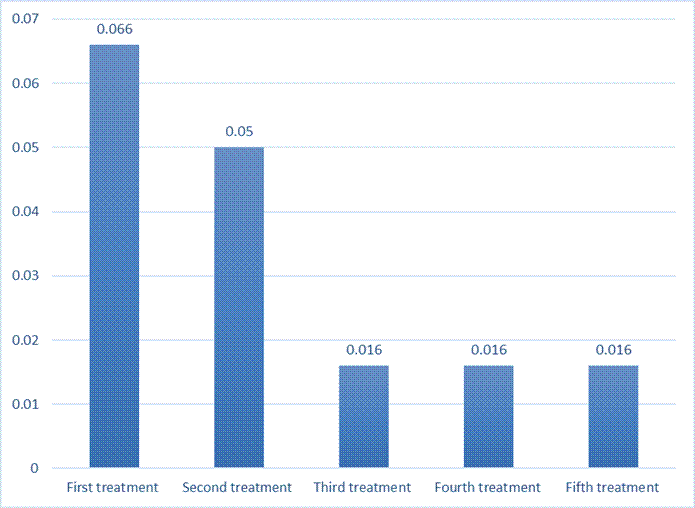
Figure 1. Effect of dietary bromelain supplementation at different concentrations on mortality percentage (%) of Ross 308 broiler chickens during the 35-day experimental period. Values represent treatment means among control and bromelain-supplemented groups.
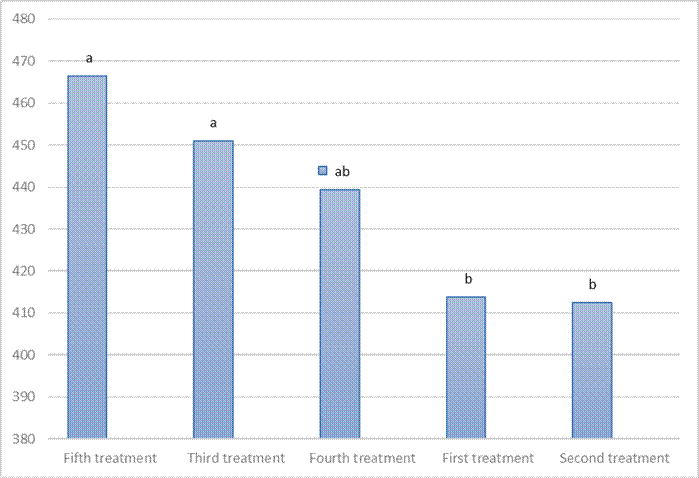
Figure 2. Effect of dietary bromelain supplementation on the production index of Ross 308 broiler chickens throughout the experimental period. Birds supplemented with moderate to higher bromelain concentrations demonstrated improved productive efficiency compared with the control treatment.

accumulation (Shahidi, 2008; Ahl, 2010). Similar improvements in productive performance following supplementation with natural plant-derived additives have also been reported by Abbas et al. (2018) and Merzah and Ali (2022).

3.3 Feed Consumption Pattern

The effect of bromelain supplementation on feed intake is shown in (Table 4). Across most weeks, dietary treatments did not significantly alter feed consumption (P > 0.05). This finding is important because it suggests that the improvements in growth performance were not simply a consequence of greater feed intake.

Nevertheless, during the fifth week, birds in T4 and T5 exhibited numerically higher feed consumption, with T4 recording the highest intake among treatments (1115.71 g). Although these increases were relatively moderate, they may reflect enhanced appetite or improved digestive comfort associated with enzymatic supplementation.

From a physiological perspective, bromelain may facilitate faster protein hydrolysis and digestive turnover, thereby allowing birds to utilize nutrients more effectively without dramatically increasing feed intake. Hale (2004) and Engwerda et al. (2001) similarly suggested that bromelain possesses gastrointestinal and immunomodulatory properties that may indirectly support nutrient absorption and metabolic balance.

3.4 Feed Conversion Ratio (FCR)

Feed conversion ratio remains one of the most economically significant indicators in broiler production. The data presented in (Table 5) revealed significant differences among treatments, particularly during the later stages of growth.

The lowest cumulative FCR values were observed in T5 (1.401) and T3 (1.417), indicating superior feed efficiency compared with the control group (1.468). Although T4 also showed numerical improvement, its values did not differ significantly from some other treatments.

These findings are especially meaningful because improved FCR indicates that birds required less feed to produce equivalent body mass. In commercial production systems, even small reductions in FCR may translate into substantial economic benefits.

The improved feed efficiency may plausibly result from the synergistic interaction between enhanced protein digestion, reduced oxidative stress, and improved metabolic activity. Bromelain’s enzymatic action likely increased nutrient bioavailability, while antioxidant effects may have minimized metabolic inefficiencies associated with cellular stress (Ognik et al., 2016). Comparable responses have been reported with other natural dietary supplements in broiler nutrition studies (Hammod et al., 2018; Jaafar & Abdul, 2022).

3.5 Mortality Rate and Production Index

Mortality percentages among treatments are illustrated in (Figure 1). The supplementation of bromelain did not significantly affect mortality throughout the experiment. This observation is noteworthy because it indicates that bromelain, even at higher inclusion levels, did not produce detectable adverse effects on bird survival or general health status.

In contrast, the production index demonstrated a positive response to bromelain supplementation, particularly in T3 and T5, where significantly higher values were observed compared with the control treatment (Figure 2). Since the production index integrates growth performance, feed efficiency, and survivability, these results collectively reinforce the beneficial influence of bromelain on overall broiler productivity.

The improvements observed in production index may reflect multiple overlapping mechanisms rather than a single isolated effect. Bromelain appears to contribute simultaneously to nutrient digestibility, antioxidant defense, and metabolic regulation. Such multifactorial activity perhaps explains why moderate-to-high supplementation levels produced more consistent responses than lower concentrations.

Overall, the present findings support the growing interest in natural enzymatic feed additives as alternatives to synthetic growth promoters. While the exact biochemical pathways still require deeper clarification, the data suggest that bromelain supplementation—particularly at 1.5 to 2.5 g/kg feed—may improve broiler productive performance under practical production conditions.
4. Conclusion

The present study demonstrated that dietary supplementation with bromelain enzyme, particularly at levels ranging from 1.5 to 2.5 g/kg feed, positively influenced several important productive traits in broiler chickens. Although the early growth stages showed relatively limited responses, the beneficial effects became increasingly evident during the later weeks of production. Birds receiving bromelain supplementation exhibited improved live body weight, enhanced total weight gain, and better feed conversion efficiency compared with the control treatment. Interestingly, these improvements occurred without substantial increases in feed intake or mortality rate, suggesting that bromelain may improve nutrient utilization rather than simply stimulating appetite.

The observed responses are likely associated with the proteolytic, antioxidant, and metabolic activities of bromelain, which together may support more efficient digestion and physiological performance. While further investigations are still necessary to clarify the precise biochemical mechanisms involved, the present findings indicate that bromelain could represent a practical and sustainable natural alternative to synthetic growth-promoting additives in modern poultry production systems.

Author Contributions

S.S.M. conceived the research idea, supervised the experiment, analyzed the results, and prepared the final manuscript. N.A.L.A. designed the experiment, participated in conducting the experimental work, performed data analysis, and contributed to manuscript writing. All authors reviewed and approved the final manuscript.

References


Abbas, R. J., Ali, N. A., Alkassar, A. M., & Jameel, Y. J. (2018). Haematological and biochemical indices of broiler chicks fed at different levels of Moringa oleifera leaf meal. Biochemical & Cellular Archives, 18(2).

Abdallah, E. A., Abd El-Samad, M. H., Rezk, A. M., & Yassein, D. M. (2017). Effect of dietary supplementation of grape seed extract or vitamin E as antioxidant on reproductive and physiological performance during summer season in aged male developed chickens. Egyptian Poultry Science Journal, 37(1).

Ahl, I. M. (2010). Protein engineering of extracellular superoxide dismutase [Doctoral dissertation, Linkoping University].

Ali, N. A., Al-Nasrawi, M. A., & Al-Kassie, G. A. (2021). Investigation on the effect of adding diverse concentrations of aqueous extract of oregano leaves (Origanum vulgare) on physiological and immunological behaviors of broiler chickens. Biochemical & Cellular Archives, 21, 2657–2661.

Al-Rekabi, M. M., Ali, N. A., & Abbas, F. R. (2020). Effect of partial and total substitution of Azolla pinnata powder instead of soybean meal in broiler chicken diets on blood biochemical traits. Plant Archives, 20(1), 1344–1348.

Anonymous. (2006). European Union bans antibiotics for growth promotion. Union of Concerned Scientists. http://www.ucsusa.org/food_and_environment/antibiotics_and_food/europeanunion-ban.html

Comte, B., Vidal, H., Laville, M., & Riou, J. P. (1990). Influence of thyroid hormones on gluconeogenesis from glycerol in rat hepatocytes: A dose-response study. Metabolism, 39(3), 259–263.

Ðilas, S., Canadanovic-Brunet, J., & Cetkovic, G. (2009). By-products of fruit processing as a source of phytochemicals. Chemical Industry and Chemical Engineering Quarterly, 15(4), 191–202.

Duncan, B. D. (1955). Multiple range and multiple F tests. Biometrics, 11, 1–42.

Engwerda, C. R., Andrew, D., Ladhams, A., & Mynott, T. L. (2001). Bromelain modulates T cell and B cell immune responses in vitro and in vivo. Cellular Immunology, 210(1), 66–75.

Hale, L. P. (2004). Proteolytic activity and immunogenicity of oral bromelain within the gastrointestinal tract of mice. International Immunopharmacology, 4(2), 255–264.

Hammod, A. J., Ali, N. A., Alkassar, A. M., & Jameel, Y. J. (2018). The effect of partial replacement of maize by date pits on broiler performance. Journal of Pure and Applied Microbiology, 12, 807–813.

Jaafar, A. R., & Abdul, L. A. N. (2022). Effect of supplementation of different levels of Urtica dioica seeds to the diet on the immune response and microbial composition of the gastrointestinal tract of broiler chickens. Archives of Razi Institute, 77(4), 1371–1375.

Jannini, E. A., Ulisse, S., & D’Armiento, M. (1995). Thyroid hormone and male gonadal function. Endocrine Reviews, 16(4), 443–459.

Johannsen, D. L., Galgani, J. E., Johannsen, N. M., Zhang, Z., Covington, J. D., & Ravussin, E. (2012). Effect of short-term thyroxine administration on energy metabolism and mitochondrial efficiency in humans. PLoS ONE, 7(7), e40837.

Larocca, M., Rossano, R., Santamaria, M., & Riccio, P. (2010). Analysis of pineapple [Ananas comosus (L.) Merr.] fruit proteinases by 2-D zymography and direct identification of the major zymographic spots by mass spectrometry. Food Chemistry, 123(4), 1334–1342.

Manosroi, A., Chankhampan, C., Pattamapun, K., Manosroi, W., & Manosroi, J. (2014). Antioxidant and gelatinolytic activities of papain from papaya latex and bromelain from pineapple fruits. Chiang Mai Journal of Science, 41(3), 635–648.

Merzah, H., & Ali, N. A. (2022). Effect of adding different levels of maca root (Lepidium meyenii) to the diet on the productive performance of broilers exposed to oxidative stress. Archives of Razi Institute, 77(4), 1363.

Mullur, R., Liu, Y. Y., & Brent, G. A. (2014). Thyroid hormone regulation of metabolism. Physiological Reviews, 94(2), 355–382.

Ognik, K., Cholewinska, E., Sembratowicz, I., Grela, E., & Czech, A. (2016). The potential of using plant antioxidants to stimulate antioxidant mechanisms in poultry. World’s Poultry Science Journal, 72(2), 291–298.

Polat, M., Polat, Y., Akbulut, T., Cinar, V., & Marangoz, I. (2017). The effects of training applied with CoQ10 and zinc supplementation on thyroid hormone metabolism in soccer players. Biomedical Research, 28(16).

Sahbaz, A., Aynioglu, O., Isik, H., Ozmen, U., Cengil, O., Gun, B. D., & Gungorduk, K. (2015). Bromelain: A natural proteolytic for intra-abdominal adhesion prevention. International Journal of Surgery, 14, 7–11.

SAS Institute. (2012). SAS/STAT user’s guide (Version 9.1). SAS Institute Inc.

Shahidi, F. (2008). Antioxidants: Extraction, identification, application and efficacy measurement. Electronic Journal of Environmental, Agricultural and Food Chemistry, 7(8), 3325–3330.

Vivekananthan, D. P., Penn, M. S., Sapp, S. K., Hsu, A., & Topol, E. J. (2003). Use of antioxidant vitamins for the prevention of cardiovascular disease: Meta-analysis of randomised trials. The Lancet, 361(9374), 2017–2023.

Wang, R. D., & Bourne, S. (1998). Biotechnology in the feed industry. In Proceedings of Alltech’s 14th Annual Symposium (pp. 293–300). Nottingham University Press.

Yasser, E. H., & Ali, N. A. L. (2025). Addition of gum Arabic powder at different levels to the diet of older laying hens and its effect on productive performance. Journal of Animal Health and Production, 13(4), 854–861.


Article metrics
View details
0
Downloads
0
Citations
55
Views
📖 Cite article

View Dimensions


View Plumx


View Altmetric


0
Save
0
Citation
55
View
0
Share