Advances in Herbal Research

Advances in Herbal Research | online ISSN 2209-1890
45
Citations
245.4k
Views
94
Articles
Your new experience awaits. Try the new design now and help us make it even better
Switch to the new experience
Figures and Tables
REVIEWS   (Open Access)

Plant-Derived Nutraceuticals in Obesity Management: Multi-Targeted Mechanisms Bridging Metabolism, Inflammation, and Neurocognitive Health

Jannatul Afsana Mili 1*

+ Author Affiliations

Advances in Herbal Research 8 (1) 1-8 https://doi.org/10.25163/ahi.8110557

Submitted: 11 October 2025 Revised: 06 December 2025  Published: 13 December 2025 


Abstract

Obesity, despite being widely recognized and extensively studied, remains curiously resistant to simple solutions. It is not merely a matter of excess weight but rather a deeply intertwined metabolic condition shaped by inflammation, hormonal imbalance, and, increasingly, neurological dysfunction. Against this complex backdrop, plant-derived nutraceuticals have begun to attract attention—not as replacements for conventional therapies, but perhaps as complementary agents capable of addressing multiple pathways simultaneously. This narrative review synthesizes current evidence on the role of bioactive compounds, including polyphenols, flavonoids, and xanthones, in obesity management. Drawing from clinical studies, animal models, and mechanistic investigations, the findings suggest that these compounds exert modest yet consistent effects on body weight, lipid metabolism, glucose regulation, and inflammatory signaling. More intriguingly, emerging data indicate potential benefits extending to cognitive function, hinting at a broader neuro-metabolic interplay. Mechanistically, nutraceuticals appear to influence key regulatory pathways such as AMPK activation, PPARγ inhibition, and cytokine modulation, while also interacting with gut microbiota and energy expenditure processes. However, the evidence, while promising, remains uneven—often limited by variability in study design, bioavailability concerns, and a reliance on preclinical models. Taken together, plant-derived nutraceuticals offer a multi-targeted and biologically plausible approach to obesity management, though their clinical translation requires more rigorous and standardized investigation.

Keywords: Obesity; Nutraceuticals; Polyphenols; Metabolic Syndrome; Neuro-Metabolic Axis

1. Introduction

Obesity, somewhat paradoxically, remains both a familiar and still insufficiently resolved challenge in contemporary medicine. It is not merely a condition of excess body weight, but rather a complex, multifactorial metabolic disorder shaped by genetic predisposition, environmental exposures, behavioral patterns, and increasingly, broader socio-economic determinants. Over the past few decades, its prevalence has risen at a pace that is difficult to ignore—indeed, almost unsettling in its persistence. According to global health estimates, the burden of obesity has escalated to affect more than one billion individuals worldwide, suggesting not only a public health crisis but perhaps a systemic failure in preventive strategies.

At its core, obesity reflects a chronic imbalance between caloric intake and energy expenditure. Yet, this seemingly straightforward explanation quickly becomes inadequate when one considers the cascade of metabolic dysregulation that follows. Obesity is intimately linked with metabolic syndrome (MetS), a constellation of conditions including insulin resistance, hypertension, dyslipidemia, and central adiposity. These interconnected abnormalities substantially increase the risk of developing type 2 diabetes mellitus (T2DM) and cardiovascular diseases (CVD), which together account for a significant proportion of global morbidity and mortality (Kumar et al., 2022; Ramírez-Moreno et al., 2022). What complicates matters further is that obesity rarely exists in isolation; it tends to coexist with a range of comorbidities, from sleep apnea and musculoskeletal disorders to certain malignancies.

Interestingly, the implications of obesity extend beyond classical metabolic pathways. Emerging evidence suggests a compelling link between obesity and neurological dysfunction. Mid-life obesity, for instance, has been associated with an increased risk of neurodegenerative diseases such as Alzheimer’s disease, potentially mediated by chronic low-grade inflammation, oxidative stress, and impaired insulin signaling within the brain (de la Peña et al., 2023). This intersection between metabolic and cognitive health introduces an additional layer of urgency—one that is not always adequately reflected in current treatment paradigms.

The COVID-19 pandemic, albeit an acute global event, further exposed the vulnerabilities associated with obesity. Individuals with elevated body mass index (BMI ≥ 30 kg/m²) were disproportionately affected by severe outcomes, including hospitalization, intensive care admission, and mortality. While the mechanisms are still being fully elucidated, shared inflammatory and immunometabolism pathways appear to play a critical role (Sun et al., 2021). In a sense, the pandemic did not create new risks but rather amplified existing ones, bringing obesity into sharper clinical and public health focus.

Despite this growing awareness, the management of obesity remains, at best, only partially effective. Lifestyle interventions—dietary modification and increased physical activity—are widely regarded as foundational. Yet, their long-term sustainability is often limited by adherence challenges, metabolic adaptation, and environmental constraints. Pharmacological options, including agents such as orlistat and combination therapies, offer additional support but are frequently accompanied by undesirable side effects ranging from gastrointestinal discomfort to cardiovascular concerns. Moreover, issues of accessibility, cost, and long-term safety further complicate their use as primary interventions (Kumar et al., 2022).

Against this backdrop, there has been a noticeable shift—perhaps gradual, but increasingly pronounced—toward exploring plant-derived nutraceuticals as alternative or complementary therapeutic strategies. These compounds, derived from natural sources such as fruits, vegetables, herbs, and medicinal plants, are often perceived as safer and more holistic. While such perceptions should be approached with caution, there is a growing body of scientific evidence supporting their potential efficacy. Nutraceuticals encompass a wide array of bioactive molecules, including polyphenols, flavonoids, alkaloids, terpenoids, and xanthones, each contributing to metabolic regulation through distinct yet sometimes overlapping mechanisms (Mamun et al., 2024; Shataer et al., 2025).

One of the more intriguing aspects of these compounds lies in their multi-targeted mode of action. Unlike conventional pharmaceuticals, which are typically designed to interact with a single molecular target, plant-derived bioactives often influence multiple pathways simultaneously. For example, certain polyphenols have been shown to modulate appetite-regulating hormones such as leptin and ghrelin, thereby influencing energy intake. Others inhibit key enzymes involved in lipid synthesis and digestion, including fatty acid synthase (FAS) and pancreatic lipase (Ramírez-Moreno et al., 2022). These mechanisms, taken together, suggest a more integrated approach to metabolic regulation—one that aligns, perhaps more closely, with the complexity of obesity itself.

Additionally, several phytochemicals appear to promote thermogenesis and enhance energy expenditure. Compounds such as resveratrol and curcumin have been implicated in the activation of brown adipose tissue (BAT) and the “browning” of white adipose tissue (WAT), processes associated with increased mitochondrial activity and heat production. This transition is often mediated through the upregulation of molecular markers like uncoupling protein 1 (UCP1) and sirtuin 1 (SIRT1), which play key roles in cellular energy homeostasis (Kumar et al., 2022). At the same time, these bioactives may inhibit adipogenesis by downregulating transcription factors such as peroxisome proliferator-activated receptor gamma (PPARγ) and CCAAT/enhancer-binding proteins (C/EBP), thereby limiting the formation of new adipocytes.

The role of inflammation cannot be overlooked in this context. Chronic low-grade inflammation is widely recognized as a hallmark of obesity, contributing to insulin resistance and metabolic dysfunction. Plant-derived compounds, particularly polyphenols, exhibit anti-inflammatory and antioxidant properties that may help mitigate these effects. By modulating cytokine production and reducing oxidative stress, these agents could potentially restore metabolic balance (Mamun et al., 2024; Zielinska-Blizniewska et al., 2019).

Preclinical and clinical studies offer further support, although not without limitations. Green tea extract, rich in epigallocatechin gallate (EGCG), has demonstrated the ability to enhance energy expenditure and reduce fat absorption. Similarly, polyherbal formulations such as Triphala have shown promising results in modulating key metabolic pathways, with network pharmacology analyses identifying targets like AKT1 and PPARG as central nodes of action (Inpan et al., 2024). Dietary patterns, notably the Mediterranean diet, also provide compelling evidence for the benefits of plant-based bioactives in reducing obesity-related inflammation and cardiovascular risk (Saad, 2023a, 2023b).

More recent investigations have begun to explore the role of specific compounds, such as xanthones and other plant-derived metabolites, in regulating lipid metabolism through interactions with the gut microbiota and bile acid pathways (Jumai et al., 2025; Shataer et al., 2025). These findings, while still emerging, hint at a more nuanced understanding of how dietary components influence systemic metabolism—not merely through direct biochemical interactions but also via modulation of microbial ecosystems.

That said, it would be premature to overstate the clinical applicability of these findings. Much of the current evidence is derived from in vitro studies and animal models, which, while informative, do not always translate directly to human physiology. Issues of standardization, bioavailability, dosage, and long-term safety remain unresolved. Furthermore, potential interactions between nutraceuticals and conventional medications warrant careful consideration.

The exploration of plant-derived nutraceuticals represents a promising, albeit still evolving, avenue in obesity management. Their multi-targeted mechanisms, relative safety profile, and accessibility make them attractive candidates for both prevention and treatment. However, a more rigorous and standardized approach to research—particularly in human clinical trials—is essential to fully realize their therapeutic potential. Until then, their role may best be viewed not as a replacement for existing therapies, but as a complementary strategy within a broader, more integrative framework of metabolic health.

2. Methodology

2.1 Study Design and Conceptual Framework

This study was designed as a narrative review aimed at synthesizing current evidence on plant-derived nutraceuticals in the prevention and management of obesity and its associated metabolic and neurological complications. Unlike systematic reviews that rely on rigid inclusion criteria and statistical pooling, the present approach adopts a more interpretive and integrative framework, allowing for the inclusion of diverse evidence types—ranging from clinical trials and animal studies to mechanistic and molecular investigations. This design was considered appropriate given the multidimensional nature of obesity, which encompasses metabolic, inflammatory, and neurocognitive pathways (Ramírez-Moreno et al., 2022; Mamun et al., 2024). The conceptual framework guiding this review is grounded in the idea that obesity represents a systems-level disorder requiring equally multifaceted therapeutic strategies. Accordingly, the review focuses not only on clinical outcomes such as weight reduction and lipid profiles but also on underlying molecular mechanisms, including adipogenesis, inflammation, oxidative stress, and neuro-metabolic interactions.

2.2 Literature Search Strategy

A comprehensive literature search was conducted using major scientific databases, including PubMed, Scopus, Web of Science, and Google Scholar. The search strategy incorporated combinations of keywords and Medical Subject Headings (MeSH) terms such as “obesity,” “nutraceuticals,” “polyphenols,” “plant extracts,” “adipogenesis,” “metabolic syndrome,” “inflammation,” “xanthones,” and “cognitive impairment.” Boolean operators (AND, OR) were applied to refine the search and ensure coverage of relevant interdisciplinary studies. The search was limited to studies published in English and primarily focused on literature from the past two decades, with particular emphasis on recent advances (2015–2025). However, seminal earlier works were also included where necessary to provide foundational context, particularly in relation to adipocytokine biology and cardiovascular implications of obesity (Tilg & Moschen, 2006; Poirier et al., 2006).

2.3 Inclusion and Exclusion Criteria

Studies were selected based on their relevance to the objectives of the review. Inclusion criteria encompassed:
(i) human clinical trials evaluating plant-derived interventions in obesity or metabolic disorders;
(ii) in vivo animal studies investigating mechanistic or physiological effects of bioactive compounds;
(iii) in vitro and molecular studies elucidating pathways such as AMPK activation, PPARγ modulation, and inflammatory signaling; and
(iv) review articles providing comprehensive insights into phytochemical mechanisms and therapeutic applications (Kumar et al., 2022; Saad, 2023a).

Exclusion criteria included studies lacking clear methodological descriptions, reports not directly related to obesity or metabolic regulation, and articles focusing exclusively on synthetic pharmacological agents without reference to plant-derived compounds. Additionally, studies with insufficient data on outcomes or mechanisms were excluded to maintain analytical rigor.

2.4 Data Extraction and Synthesis

Data extraction was performed manually, with key variables recorded for each study. These included plant source, bioactive compounds, experimental model (human, animal, or cellular), intervention dose and duration, and primary outcomes such as body weight, lipid profile, glucose metabolism, inflammatory markers, and cognitive performance.

The extracted data were organized into thematic categories to facilitate structured synthesis. Specifically, findings were grouped into (Table 1-4):
(i) clinical and in vivo efficacy outcomes,
(ii) molecular mechanisms and bioactive targets,
(iii) neuroprotective effects in obesity-induced cognitive impairment, and
(iv) xanthone-mediated metabolic regulation.

Rather than performing quantitative meta-analysis, the data were synthesized qualitatively, emphasizing patterns, consistencies, and divergences across studies. This approach allowed for a more nuanced interpretation of complex biological interactions, particularly where evidence remains heterogeneous.

2.5 Analytical Approach

The analytical strategy focused on identifying converging mechanisms across different levels of evidence. Particular attention was given to pathways involved in lipid metabolism, inflammation, oxidative stress, and insulin signaling, as these are central to obesity pathophysiology (Ramírez-Moreno et al., 2022). Additionally, emerging areas such as gut microbiota modulation and neuro-metabolic interactions were explored, reflecting recent shifts in obesity research (Włodarczyk & Śliżewska, 2021). Comparative analysis was conducted to evaluate the relative contributions of different classes of bioactive compounds, including polyphenols, flavonoids, alkaloids, and xanthones. Mechanistic insights from molecular studies were interpreted alongside clinical outcomes to assess translational relevance. Where applicable, findings from traditional herbal medicine were contextualized within modern biomedical frameworks, particularly in relation to immune modulation and stress-related metabolic effects (Shahrajabian et al., 2020a; Shahrajabian et al., 2020b).

2.6 Quality Considerations and Limitations

Given the narrative nature of this review, formal risk-of-bias assessment tools were not systematically applied. However, the quality of included studies was evaluated based on study design, sample size, methodological clarity, and consistency of reported outcomes. Greater weight was given to randomized controlled trials and well-designed animal studies, while findings from exploratory or preliminary studies were interpreted with caution. It is acknowledged that narrative reviews are inherently subject to selection bias and may not capture all available evidence. Additionally, variability in study design, dosing regimens, and extract standardization across included studies limits direct comparability. These factors were considered during interpretation to avoid overgeneralization of findings.

3. Obesity and Polyphenols: Reframing Nutraceutical Strategies in Metabolic Health

3.1 Obesity as a Converging Global Crisis

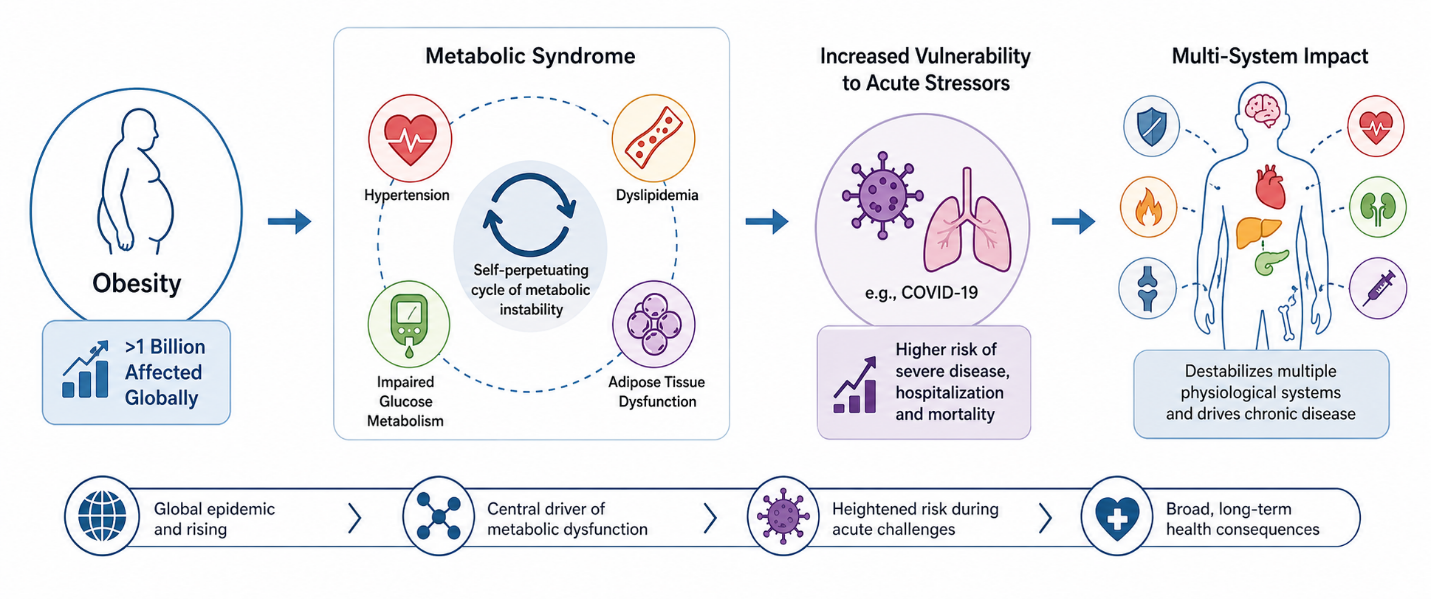
Obesity, in many respects, has evolved beyond its earlier framing as a lifestyle-associated condition into something far more structurally embedded and biologically intricate. It is now widely regarded—not without reason—as a defining public health challenge of the 21st century. The scale alone is striking. Global prevalence has risen dramatically over recent decades, with estimates suggesting that more than one billion individuals are currently affected, a figure that continues to trend upward despite widespread awareness campaigns and clinical interventions (Kumar et al., 2022; Mamun et al., 2024). Yet, what perhaps warrants closer reflection is not merely its prevalence, but the manner in which obesity operates as a central node in a broader network of metabolic dysfunction. As illustrated in Figure 1, obesity acts as a central node linking metabolic syndrome components and systemic vulnerability

Indeed, obesity is rarely an isolated condition. Rather, it forms the physiological and pathological basis of metabolic syndrome (MetS), a constellation of abnormalities that includes hypertension, dyslipidemia, and impaired glucose metabolism (Shataer et al., 2025). These interconnected disturbances, though often discussed separately, tend to reinforce one another, creating a self-perpetuating cycle of metabolic instability. It is in this sense that obesity has been described—somewhat starkly—as a “slow-motion disaster,” unfolding gradually but with far-reaching consequences (Ramírez-Moreno et al., 2022).

The COVID-19 pandemic, if anything, made this reality more visible. Individuals with obesity were disproportionately affected by severe disease outcomes, including hospitalization and mortality. While the mechanisms are still being unpacked, shared inflammatory and immunometabolic pathways appear to underlie this vulnerability, suggesting that obesity not only predisposes individuals to chronic disease but also amplifies susceptibility to acute systemic stressors (Sun et al., 2021; Saad, 2023b). In this light, obesity might be better understood not as a singular disease entity, but as a condition that destabilizes multiple physiological systems simultaneously.

3.2 Rethinking Therapeutic Pathways: Limitations of Conventional Approaches

Given the complexity of obesity, it is perhaps unsurprising that conventional therapeutic strategies have yielded only partial success. Lifestyle modification—encompassing dietary regulation and increased physical activity—remains the cornerstone of intervention. However, sustaining these changes over the long term proves challenging for many individuals, often due to a combination of behavioral, environmental, and physiological factors. Metabolic adaptation, for instance, can attenuate weight loss over time, creating a frustrating plateau effect that undermines adherence.

Pharmacological treatments, while offering additional support, introduce their own set of complications. Drugs such as orlistat and other anti-obesity agents are designed to target specific metabolic pathways, yet their use is frequently accompanied by adverse effects ranging from gastrointestinal disturbances to more systemic concerns, including hepatic or renal complications (Kumar et al., 2022). Moreover, these medications typically act on singular targets, which may be insufficient given the multifactorial nature of obesity.

It is within this context—where existing strategies seem necessary but not entirely sufficient—that plant-derived nutraceuticals have begun to attract increasing attention. These compounds, encompassing polyphenols, flavonoids, alkaloids, and xanthones, offer a fundamentally different therapeutic paradigm. Rather than focusing on isolated pathways, they appear to engage multiple biological systems simultaneously, potentially aligning more closely with the complexity of metabolic disease (Mamun et al., 2024). Still, it is important to approach this shift with measured optimism; while promising, the evidence base remains uneven in places. As illustrated in Figure 2, plant-derived nutraceuticals offer a multi-target therapeutic paradigm compared with conventional strategies
3.3 Mechanistic Insights: How Polyphenols Influence Metabolic Regulation

One of the more compelling aspects of plant-derived nutraceuticals lies in their diverse and, at times, overlapping mechanisms of action. At the most immediate level, certain compounds exert effects within the gastrointestinal tract by inhibiting pancreatic lipase, a key enzyme responsible for the breakdown and absorption of dietary fats. By limiting lipid digestion, extracts from plants such as Camellia sinensis (green tea), rosemary, and pomegranate effectively reduce caloric uptake, thereby contributing to weight management (Saad, 2023a; Zielinska-Blizniewska et al., 2019).

Beyond these localized effects, polyphenols also influence systemic metabolic processes. Adipogenesis—the differentiation of precursor cells into mature

Figure 1: Obesity as a Central Driver of Metabolic Syndrome and Systemic Health Vulnerability. Obesity functions as a core metabolic hub, linking hypertension, dyslipidemia, and impaired glucose regulation into a self-reinforcing cycle. This interconnected dysfunction increases susceptibility to acute stressors and drives long-term multi-system disease burden.
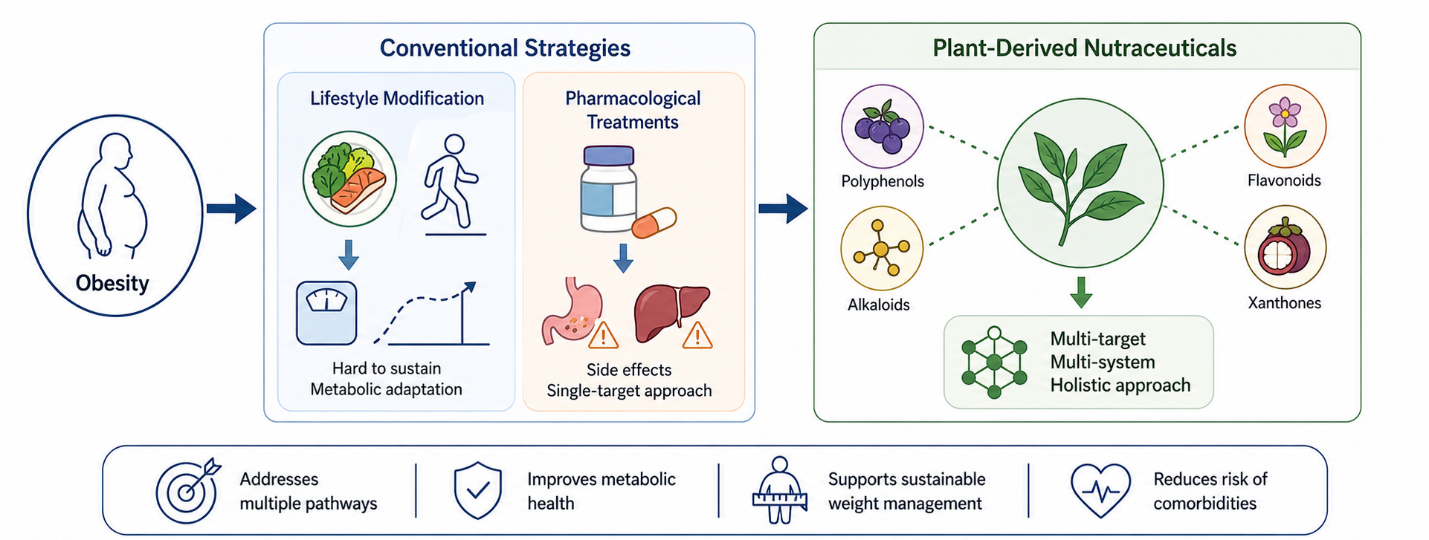
Figure 2: Beyond Conventional Therapies: Multi-Target Nutraceutical Strategies in Obesity Management. Conventional approaches—including lifestyle modification and pharmacotherapy—offer benefits but are often limited by adherence challenges, metabolic adaptation, and side effects. Plant-derived nutraceuticals provide a multi-target, systems-level approach that may better align with the complex biology of obesity.

adipocytes—represents a critical point of intervention. Several bioactive compounds, including quercetin and resveratrol, have been shown to downregulate transcription factors such as peroxisome proliferator-activated receptor gamma (PPARγ) and CCAAT/enhancer-binding proteins (C/EBP), both of which are central to adipocyte formation (Inpan et al., 2024; Ramírez-Moreno et al., 2022). By modulating these “master regulators,” polyphenols may effectively limit the expansion of adipose tissue.

Equally noteworthy is the role of nutraceuticals in promoting thermogenesis. This process, involving the generation of heat through metabolic activity, is largely mediated by brown adipose tissue (BAT). Certain phytochemicals—capsaicin and epigallocatechin gallate (EGCG), for example—appear to stimulate BAT activity while also inducing the “browning” of white adipose tissue (WAT). This transformation is associated with increased expression of markers such as uncoupling protein 1 (UCP1) and sirtuin 1 (SIRT1), both of which enhance mitochondrial activity and energy expenditure (Mamun et al., 2024; Saad, 2023b).

Taken together, these mechanisms suggest that polyphenols do not merely reduce fat accumulation but actively reprogram metabolic pathways toward increased energy utilization. Whether these effects are sufficient, in isolation, to produce clinically meaningful weight loss remains an open question—but their multi-targeted nature is, at the very least, conceptually appealing.

3.4 Neuro-Metabolic Intersections: Addressing Cognitive Consequences of Obesity

Perhaps one of the more unexpected, yet increasingly well-documented, dimensions of obesity is its relationship with cognitive health. Accumulating evidence indicates that obesity, particularly during mid-life, is associated with an elevated risk of neurodegenerative conditions such as Alzheimer’s disease. This association appears to be mediated by chronic low-grade inflammation, oxidative stress, and disruptions in insulin signaling within the central nervous system (de la Peña et al., 2023).

This convergence of metabolic and neurological dysfunction has given rise to what might be described as a “neuro-metabolic” framework—one that recognizes the bidirectional relationship between systemic metabolism and brain health. Within this framework, plant-derived compounds again emerge as potentially valuable agents. Certain nutraceuticals, including curcumin and Withania somnifera (Ashwagandha), have demonstrated neuroprotective properties in preclinical studies. These effects are thought to involve the attenuation of neuroinflammation, reduction of oxidative damage, and enhancement of synaptic plasticity (de la Peña et al., 2023).

Animal studies provide further, albeit preliminary, support. Extracts from plants such as hardy kiwi and mulberry root bark have been shown to suppress apoptotic signaling pathways in neural tissue and improve cognitive performance in models of obesity-induced impairment (de la Peña et al., 2023). While these findings are encouraging, their translation to human populations remains to be fully established. Nonetheless, they suggest that the benefits of nutraceuticals may extend beyond metabolic regulation to encompass broader aspects of physiological resilience.

3.5 Xanthones and Emerging Functional Compounds

Among the various classes of bioactive compounds, xanthones have begun to attract particular interest. Found predominantly in fruits such as mangosteen (Garcinia mangostana), these molecules exhibit a range of biological activities relevant to metabolic health. Compounds such as α-mangostin and mangiferin have been shown to inhibit fatty acid synthesis while simultaneously improving endothelial function—effects that are especially pertinent in the context of obesity-related cardiovascular risk (Shataer et al., 2025).

Mangiferin, in particular, appears to exert its effects through activation of the AMP-activated protein kinase (AMPK) pathway, a central regulator of cellular energy homeostasis. Activation of AMPK promotes lipid oxidation, enhances insulin sensitivity, and may mitigate the progression of non-alcoholic fatty liver disease (NAFLD), a common comorbidity of obesity (Shataer et al., 2025). These findings position xanthones not merely as adjunctive agents but as potential contributors to a broader class of functional foods designed to modulate metabolic pathways at multiple levels.

3.6 Concluding Perspective: Toward Integrated Nutraceutical Therapeutics

Taken together, the evidence reviewed here suggests that plant-derived nutraceuticals occupy a promising—if still evolving—space within obesity management. Their multi-targeted mechanisms, relative safety profile, and accessibility make them attractive candidates for integration into both preventive and therapeutic frameworks. At the same time, it would be premature to view them as standalone solutions.

Several challenges remain. Variability in bioavailability, inconsistencies in extract composition, and the absence of standardized dosing protocols complicate both research and clinical application (Saad, 2023b; Shataer et al., 2025). Moreover, while preclinical data are abundant and often compelling, robust human clinical trials are comparatively limited. Without such evidence, translating mechanistic insights into clinical recommendations remains difficult. Still, there is a certain cautious optimism here. If nothing else, nutraceuticals encourage a shift in perspective—from targeting isolated symptoms to addressing the broader, interconnected nature of metabolic disease. In doing so, they may help move the field toward a more integrated model of care—one that recognizes obesity not simply as excess weight, but as a systemic imbalance requiring equally multifaceted solutions.

3.7 Integrative Perspectives: Immuno-Metabolic Resilience and Herbal Therapeutics

If obesity is, in part, a disorder of chronic inflammation and metabolic dysregulation, then it seems almost inevitable to consider how immune resilience and systemic balance intersect within this framework. Increasingly, the literature suggests that obesity cannot be disentangled from immune function; rather, it represents a state in which metabolic and inflammatory pathways are persistently—and perhaps maladaptively—activated. Adipose tissue, through its secretion of adipocytokines, contributes to a sustained inflammatory environment that not only promotes insulin resistance but also compromises immune responsiveness (Tilg & Moschen, 2006). This may help explain why individuals with obesity exhibit heightened vulnerability to infectious diseases, including SARS-CoV-2, where overlapping inflammatory pathways exacerbate disease severity (Michalakis & Ilias, 2020).

From a cardiovascular perspective, these interactions are equally consequential. Obesity-associated inflammation, endothelial dysfunction, and altered lipid metabolism collectively drive cardiovascular risk, reinforcing earlier observations that the relationship between obesity and heart disease is both complex and, at times, paradoxical (Lavie & Milani, 2003; Poirier et al., 2006). In this sense, addressing obesity requires not only metabolic correction but also restoration of broader physiological equilibrium.

It is within this context that traditional herbal medicine begins to re-emerge—not as a replacement for modern therapeutics, but as a complementary system with potential immuno-modulatory and metabolic benefits. Herbal formulations have historically been used to manage stress, anxiety, and immune disturbances, factors that indirectly influence metabolic health (Shahrajabian et al., 2020a). During the COVID-19 pandemic, such approaches gained renewed attention, particularly in relation to their potential supportive role in immune defense and symptom mitigation (Shahrajabian et al., 2020b; Shahrajabian et al., 2021a).

Specific plant-derived compounds, including asafoetida and Peganum harmala, have been explored for their bioactive properties, ranging from antioxidant effects to potential metabolic regulation (Shahrajabian et al., 2021b; Shahrajabian et al., 2021c). However, it is important to acknowledge that not all plant-based agents are inherently benign; certain species possess toxicological risks that necessitate careful evaluation and standardization (Marmitt & Shahrajabian, 2021). This duality—therapeutic potential alongside possible toxicity—underscores the need for rigorous scientific validation. Emerging strategies also extend beyond phytochemicals to include modulation of the gut microbiome. Probiotics and prebiotics, for instance, have shown promise in influencing metabolic pathways, suggesting that microbial ecology may play a meaningful role in obesity management (Włodarczyk & Śliżewska, 2021). Meanwhile, advances in molecular detection techniques continue to refine our understanding of infectious and metabolic interactions, potentially enabling more targeted interventions (Shahrajabian et al., 2021d).

Taken together, these perspectives point toward a more integrative model of care—one that recognizes obesity as a condition shaped by the interplay of metabolism, immunity, and environmental influences, and one that may benefit from the thoughtful incorporation of both traditional and modern therapeutic approaches.
4. Clinical, Molecular, and Functional Outcomes of Plant-Derived Nutraceuticals in Obesity

4.1 Overview of Included Evidence and Analytical Scope

The synthesis of evidence across clinical, preclinical, and mechanistic studies reveals a consistent—though not entirely uniform—pattern: plant-derived nutraceuticals exert measurable effects on multiple dimensions of obesity and metabolic dysfunction. These effects span anthropometric outcomes, lipid and glucose homeostasis, inflammatory signaling, and, somewhat unexpectedly, cognitive function. The findings, when examined collectively, suggest not a single dominant pathway but rather a convergence of multi-targeted biological actions. The compiled dataset includes controlled human trials, animal studies, and mechanistic investigations, summarized in Table 1–4, which together provide a layered understanding of efficacy and underlying mechanisms.

4.2 Clinical and In Vivo Outcomes in Obesity Management

Clinical and in vivo evidence demonstrates that several plant-derived interventions produce modest yet statistically meaningful improvements in weight-related and cardiometabolic parameters. As summarized in Table 1, green tea extract, one of the most extensively studied interventions, consistently reduced total cholesterol (TC), low-density lipoprotein cholesterol (LDL-C), fasting blood glucose (FBS), and glycated hemoglobin (HbA1c), while slightly increasing high-density lipoprotein cholesterol (HDL-C) (Kumar et al., 2022; Zamani et al., 2020). These effects, though not dramatic in isolation, suggest cumulative metabolic benefits.

Similarly, rosemary supplementation resulted in measurable reductions in body weight, fat mass, triglycerides, and fasting glucose levels in human subjects (Kumar et al., 2022), while sage extract improved glycemic control and lipid profiles in hyperlipidemic patients with type 2 diabetes (Saad, 2023a). Black seed (Nigella sativa) demonstrated dose-dependent reductions in blood pressure and cholesterol levels, reinforcing its cardiovascular relevance (Saad, 2023a). In longer-duration interventions, mate tea significantly reduced visceral fat, waist-to-hip ratio, and circulating lipids, suggesting a broader impact on adiposity distribution rather than simple weight reduction (Kumar et al., 2022). These findings, taken together, indicate that nutraceuticals may exert systemic effects beyond isolated metabolic endpoints.

Animal models provide complementary insights. Milk thistle (silymarin) demonstrated weight reduction alongside decreased oxidative stress and neuroinflammation in high-fat diet (HFD) models, while mulberry leaf extract modulated adipocytokine signaling and inflammatory responses (de la Peña et al., 2023; Peng et al., 2018; Sun et al., 2021). These preclinical outcomes reinforce the notion that metabolic improvements are closely linked with reductions in inflammation and oxidative stress.

4.3 Molecular Mechanisms and Bioactive Compound Targets

Mechanistic evidence, summarized in Table 2, reveals that plant-derived compounds influence obesity through a network of interconnected molecular pathways. Flavonoids such as quercetin and luteolin exhibit anti-adipogenic and anti-inflammatory effects by downregulating transcription factors including PPARγ and C/EBPα, while simultaneously inhibiting pro-inflammatory mediators such as TNF-α and IL-6 (Ahn et al., 2008; Kawser Hossain et al., 2016; Inpan et al., 2024). Polyphenolic compounds such as epigallocatechin gallate (EGCG) demonstrate additional effects by inhibiting adipocyte differentiation and inducing apoptosis in mature adipocytes through modulation of PI3K–AKT signaling (Lin et al., 2005). Resveratrol further enhances metabolic regulation by activating SIRT1 and AMPK pathways, thereby promoting glucose uptake and mitochondrial activity (Wang et al., 2014).

Curcumin, in contrast, appears to primarily target inflammatory signaling, suppressing NF-κB activation and reducing cytokine production (Varì et al., 2021). Notably, β-sitosterol and other phytosterols demonstrate high binding affinity to metabolic regulators such as AKT1, suggesting potential roles in insulin signaling modulation (Inpan et al., 2024). Collectively, these findings indicate that plant-derived compounds do not act through a single dominant mechanism. Instead, they appear to orchestrate a coordinated modulation of lipid metabolism, inflammation, and cellular energy balance.

4.4 Restoration of Cognitive Function in Obesity Models

An emerging—and somewhat unexpected—dimension of the results is the impact of nutraceuticals on obesity-induced cognitive impairment. As shown in Table 3, multiple plant-derived interventions improved cognitive performance in animal models through diverse neurobiological mechanisms (de la Peña et al., 2023).

Ashwagandha enhanced neural plasticity by increasing

Table 1. Summary of Clinical and In Vivo Efficacy Studies. This table summarizes medicinal plants evaluated in controlled human clinical trials or well-defined animal models, highlighting measurable outcomes related to weight loss and cardiometabolic parameters.

Plant Source (Family)

Treatment Mode / Dose / Duration

Model / Species

Key Outcomes and Effects

Reference

Green tea extract (Camellia sinensis)

Varied doses (some ≥1000 mg/day); varied duration

Systematic review & meta-analysis (human RCTs)

Significant reduction in total cholesterol (TC) and LDL-C; decreased fasting blood sugar (FBS) and HbA₁c; small increase in HDL-C

Zamani et al. (2020); Kumar et al. (2022)

Rosemary (Rosmarinus officinalis)

10 g/day (4 weeks)

Human

Significant decrease in body weight; ↓ fat mass; ↓ fasting serum glucose (18%); ↓ triglycerides (29%)

Kumar et al. (2022)

Sage (Salvia officinalis L.)

500 mg extract every 8 h (90 days)

Human (hyperlipidemic T2DM patients)

↓ glucose, HbA₁c, TC, TG, and LDL-C; ↑ HDL-C

Saad, B. (2023)

Black seed (Nigella sativa)

100 mg and 200 mg twice daily (8 weeks)

Human

Dose-dependent reduction in systolic and diastolic blood pressure; ↓ TC and LDL-C

Saad, B. (2023).

Mate tea (Ilex paraguariensis)

3150 mg/day (12 weeks)

Human

↓ body fat mass, percent body fat, and waist-to-hip ratio; ↓ visceral fat and serum cholesterol, triglycerides, and LDL-C

Kumar et al. (2022)

Milk thistle (Silymarin)

100 or 200 mg/kg (15 days)

Mouse (HFD-induced)

Weight loss; reduced serum cholesterol; decreased oxidative stress and brain neutrophil infiltration

de la Peña et al 2023

Mulberry leaf (Morus alba L.)

0.5–2% (w/w) (4 weeks)

Wistar rats

Regulation of adipocytokines; reduced inflammation and oxidative stress

Peng et al., 2018; Sun et al., 2021

Table 2. Summary of Key Bioactive Compounds and Molecular Targets. This table summarizes major phytochemicals identified in the reviewed sources and outlines their confirmed or predicted anti-obesity and anti-diabetic mechanisms at the molecular level. (Abbreviations: AMPK, AMP-activated protein kinase; AKT, protein kinase B; PPARγ, peroxisome proliferator-activated receptor-γ; C/EBPα, CCAAT/enhancer-binding protein-α; FAS, fatty acid synthase; NF-κB, nuclear factor kappa B.)

Compound Name (Class)

Primary Source / Origin

Main Mechanism of Action (Inhibition/Activation)

Key Molecular Target(s) / Gene Regulation

Reference

Quercetin (Flavonoid)

Apples, berries, red onions, broccoli

↓ Adipogenesis; ↓ TNF-α and ↓ IL-6 (anti-inflammatory); activation of AMPK and MAPK pathways

↓ PPARγ, ↓ C/EBPα; binds to PPARG and AKT1 (binding energy ≈ −6.09 kcal/mol)

Ahn et al., 2008; Chuang et al., 2010; Kawser Hossain et al., 2016; Inpan et al., 2024

Luteolin (Flavonoid)

Passion flower, chamomile, carrots

↓ Hyperglycemia; ↓ lipid accumulation; ↓ inflammation; ↑ leptin

↓ NF-κB, ↓ TNF-α, ↓ IL-1β; binds to PPARG and AKT1

Kawser Hossain et al., 2016; Inpan et al., 2024

EGCG (Polyphenol/Catechin)

Green tea (Camellia sinensis)

↓ Adipogenesis; induction of adipocyte apoptosis; ↑ insulin secretion; ↑ hepatic lipid clearance; ↑ AMPK activation

↓ PPARγ, ↓ FAS, ↓ C/EBPα (via PI3K–AKT signaling)

Lin et al., 2005

Resveratrol (Stilbenoid)

Grapes, red wine, berries

↓ Adipogenesis; ↑ antioxidant activity; ↑ glucose uptake

Activation of SIRT1 and AMPK; ↓ PPARγ

Kawser Hossain et al., 2016; Wang, et al., 2014

Curcumin (Diketone)

Turmeric (Curcuma longa)

Anti-inflammatory; ↓ lipid accumulation

↓ NF-κB signaling; ↓ TNF-α and ↓ IL-6; inhibition of PTP1B

Varì et al., 2021

β-Sitosterol (Phytosterol)

Triphala (P. emblica, T. bellerica)

Predicted regulatory role in obesity prevention

High binding affinity to AKT1 (binding energy ≈ −7.99 kcal/mol)

Inpan et al., 2024

Bellidifolin (Xanthone)

Swertia diluta (Mongolic liver tea)

Promotion of lipid metabolism

Regulation of intestinal microbiota and bile acid metabolism

Jumai et al., 2025

NCAM and CaMKIIα expression, while adzuki bean extract reduced acetylcholinesterase (AChE) activity, thereby improving memory performance. Hardy kiwi and Japanese aster suppressed inflammatory and apoptotic pathways, including JNK and NF-κB signaling, while restoring insulin signaling in the brain. Other interventions, such as mango ginger and mulberry root bark, modulated neurotransmitter levels and reduced tau pathology, respectively. Importantly, these neuroprotective effects were often accompanied by improvements in metabolic parameters, suggesting a shared mechanistic foundation linking metabolic and cognitive outcomes.

4.5 Xanthones and Advanced Metabolic Regulation

The role of xanthones, detailed in Table 4, represents a particularly promising area of investigation. Compounds such as mangiferin and α-mangostin demonstrated multifaceted effects on lipid metabolism, endothelial function, and glucose regulation (Shataer et al., 2025). Mangiferin activated AMPK and Nrf2 pathways, improving insulin sensitivity and reducing hepatic lipid accumulation, while α-mangostin enhanced vascular function through nitric oxide (NO)-mediated signaling. Bellidifolin, a non-prenylated xanthone, modulated gut microbiota and bile acid metabolism, highlighting the role of intestinal ecosystems in metabolic regulation (Jumai et al., 2025). Other xanthones exhibited anti-atherosclerotic and vasodilatory effects through inhibition of PDGF signaling and modulation of calcium-dependent pathways. These findings suggest that xanthones may serve as multifunctional agents targeting both metabolic and cardiovascular aspects of obesity.

4.6 Summary of Findings

Overall, the results indicate that plant-derived nutraceuticals exert broad-spectrum effects on obesity-related outcomes. These include reductions in body weight, improvements in lipid and glucose metabolism, attenuation of inflammatory signaling, restoration of cognitive function, and modulation of gut microbiota. While the magnitude of these effects varies across studies, the consistency of multi-targeted action remains a defining feature.

5. Interpretation of Nutraceutical Effects in Obesity Management

5.1 Interpreting Multi-Targeted Mechanisms in Obesity Management

The findings presented here reinforce a central idea: obesity is not a single-pathway disease, and therefore, it may not respond optimally to single-target interventions. The consistent efficacy of plant-derived nutraceuticals across multiple domains—metabolic, inflammatory, and neurological—suggests that their therapeutic value lies in their ability to act on interconnected systems simultaneously. This aligns with existing knowledge regarding adipose tissue as an endocrine organ. The dysregulated secretion of adipocytokines in obesity contributes to systemic inflammation and insulin resistance (Tilg & Moschen, 2006). By targeting these inflammatory pathways, phytochemicals may interrupt the feedback loops that sustain metabolic dysfunction.

5.2 Clinical Relevance and Translational Challenges

Despite promising findings, translating these results into clinical practice remains challenging. Human trials, while encouraging, often report modest effect sizes. For example, reductions in lipid and glucose parameters observed with green tea and rosemary supplementation are clinically meaningful but may not be sufficient as standalone interventions (Kumar et al., 2022; Saad, 2023a). Furthermore, variability in study design, dosing, and extract standardization complicates comparisons across studies. Unlike pharmaceutical agents, nutraceuticals often lack uniform composition, leading to inconsistencies in efficacy. This issue is compounded by differences in bioavailability, which may limit the systemic impact of certain compounds.

5.3 Neuro-Metabolic Integration: A New Paradigm

One of the more compelling insights from this review is the connection between metabolic and cognitive health. Obesity-induced neuroinflammation and impaired insulin signaling appear to contribute to cognitive decline, positioning obesity as a risk factor for neurodegenerative diseases (de la Peña et al., 2023). The ability of plant-derived compounds to restore cognitive function in preclinical models suggests a broader therapeutic potential. These findings support the concept of a “neuro-metabolic axis,” in which metabolic and neurological processes are deeply intertwined. Addressing one without the other may therefore limit therapeutic success.

5.4 Gut Microbiota and Emerging Mechanistic Frontiers

The role of gut microbiota represents another evolving dimension of obesity research. Compounds such as

Table 3: Preclinical Restoration of Obesity-Induced Cognitive Impairment. This tables provide comprehensive data based on the provided sources, focusing on mechanisms for obesity-induced cognitive impairment and the pharmacological effects of xanthones in metabolic syndrome. These data are distinct from the two tables previously discussed.

Plant / Component

Primary Source

Dose / Duration

Animal Model (Gender)

Cognitive Assay(s)

Central Molecular Effect

Observed Physiological Outcome

Reference

Ashwagandha

Withania somnifera

1 mg/g BW (12 weeks)

Wistar rats (Female)

Novel Object Recognition

Increased NCAM and CaMKIIα

Restoration of corticosterone levels

de la Peña et al. (2023)

Adzuki bean

Vigna angularis

100–200 mg/kg (4 weeks)

C57BL/6J mice (Male)

T-maze, Morris water maze

Reduced expression of AChE

Significant body weight reduction

de la Peña et al. (2023)

Dwarf Goat’s Beard

Aruncus dioicus

20–40 mg/kg (4 weeks)

C57BL/6 mice (Male)

Y-maze, Passive avoidance

Alleviated mitochondrial dysfunction

Improved impaired glucose tolerance

de la Peña et al. (2023)

Hardy kiwi

Actinidia arguta

20–40 mg/kg (4 weeks)

C57BL/6 mice (Male)

Y-maze, Morris water maze

Suppression of JNK pathway apoptosis

Enhanced brain insulin signaling

de la Peña et al. (2023)

Japanese aster

Aster yomena

100–200 mg/kg (4 weeks)

C57BL/6J mice (Male)

T-maze, Morris water maze

Decreased NF-κB and IL-1β expression

Regulation of IRS-1/Akt pathway

de la Peña et al. (2023)

Mango ginger

Curcuma amada

100–300 mg/kg (3 weeks)

Wistar rats (Male)

Y-maze, Pole climbing

Increased dopamine and serotonin levels

Prevention of hippocampal neurodegeneration

de la Peña et al. (2023)

Mulberry root bark

Mori radicis cortex

100–200 mg/kg (6 weeks)

C57BL/6 mice (Male)

Y-maze task

Inhibition of p-Tau expression

Lowered blood glucose spikes

de la Peña et al. (2023)

Olive leaf extract

Olea europaea

1 g per 1000 g HFD (10 wks)

C57BL/6J mice (Male)

Y-maze task

Increased BDNF in the hippocampus

Antidepressant-like effects observed

de la Peña et al. (2023)

Pineapple peel

Ananas comosus

200 mg/kg (3 weeks)

Wistar rats (Male)

Y-maze, Novel Object Recognition

Reduced brain IL-6 levels

Decreased risk of atherogenicity

de la Peña et al. (2023)

Caffeine

Coffee, Tea

20 mg/kg (once weekly, 11 wks)

SD rats (Male)

Four-arm maze

Elevated BDNF levels in hippocampus

Decreased plasma insulin levels

de la Peña et al. (2023)

Table 4: Bioactive Xanthone Mechanisms in Metabolic Syndrome (MetS). Summary of major xanthone compounds, their molecular targets, and tissue-specific actions across key components of metabolic syndrome. Highlights multi-target therapeutic effects including glucose and lipid regulation, vasodilation, anti-atherosclerotic activity, and metabolic homeostasis.

Xanthone Name

Chemical Type

Botanical Origin

Target Tissue

MetS Category

Molecular Target

Therapeutic Effect

Reference

Mangiferin

Glycosylated

Mangifera indica

Liver, Adipose

Glucose/Lipid

Activates AMPK and Nrf2

Ameliorates NAFLD and insulin resistance

Shataer et al. (2025)

-Mangostin

Prenylated

Garcinia mangostana

Blood Vessel, Fat

Hypertension

Inhibits aSMase/ceramide pathway

Improves endothelium-dependent vasodilation

Shataer et al. (2025)

-Mangostin

Prenylated

Garcinia mangostana

Blood Vessel

Hypertension

NO-cGMP pathway activation

Induces concentration-dependent vasorelaxation

Shataer et al. (2025)

Bellidifolin

Non-prenylated

Swertia diluta

Gut, Liver

Lipid / Glucose

Regulates intestinal microbiota

Promotes bile acid synthesis and excretion

Shataer et al. (2025)

Euxanthone

Non-prenylated

Polygala caudata

Mesenteric Artery

Hypertension

PKC-calcium sensitive mechanism

Endothelium-dependent vasodilation

Shataer et al. (2025)

Cudratricusxanthone A

Prenylated

Cudrania tricuspidata

Vascular Smooth Muscle

Atherosclerosis

Suppresses PDGF-receptor β kinase

Inhibits VSMC proliferation and DNA synthesis

Shataer et al. (2025)

Garcinone E

Prenylated

Garcinia mangostana

Hepatocytes

Lipid

Competes with Acetyl-CoA/Malonyl-CoA

Inhibits fatty acid synthase (FAS) enzyme

Shataer et al. (2025)

Swerchirin

Non-prenylated

Swertia chirayita

Pancreatic Islets

Glucose

Enhanced insulin release

Potent hypoglycemic blood sugar lowering

Shataer et al. (2025)

1,3,5,6-Tetrahydroxyxanthone

Non-prenylated

Cratoxylum formosum

Kidney

Hypertension

Promotes diuresis and saluresis

Protective against calcium oxalate crystals

Shataer et al. (2025)

Demethylbellidifolin

Non-prenylated

Swertia davidi

Endothelium

Hypertension

Enhances DDAH activity

Attenuates monocyte adhesion to endothelial cells

Shataer et al. (2025)

bellidifolin demonstrate that metabolic regulation may occur not only through direct biochemical pathways but also through modulation of microbial ecosystems (Jumai et al., 2025). This perspective is further supported by evidence that probiotics and prebiotics influence metabolic outcomes by altering gut microbiota composition (Włodarczyk & Śliżewska, 2021). Integrating microbiome-targeted strategies with nutraceutical interventions may therefore enhance therapeutic efficacy.

5.5 Cardiovascular and Immunological Implications

The cardiovascular implications of obesity remain a critical concern. Chronic inflammation, endothelial dysfunction, and lipid abnormalities collectively contribute to increased cardiovascular risk (Poirier et al., 2006). The “Hippocrates paradox” further highlights the complexity of these relationships (Lavie & Milani, 2003). Nutraceuticals, particularly polyphenols and xanthones, demonstrate protective effects on vascular function and lipid metabolism, suggesting potential roles in reducing cardiovascular risk. Additionally, the overlap between metabolic and immune pathways, as highlighted during the COVID-19 pandemic, underscores the importance of integrated therapeutic strategies (Michalakis & Ilias, 2020).

5.6 Role of Traditional Herbal Medicine

Traditional herbal medicine offers valuable insights into multi-component therapeutic strategies. Compounds such as asafoetida and Peganum harmala exemplify the potential of plant-based interventions to influence metabolic and immune pathways simultaneously (Shahrajabian et al., 2021). However, these approaches must be balanced with considerations of safety and toxicity. Some plant species exhibit adverse effects, emphasizing the need for rigorous evaluation and standardization (Marmitt & Shahrajabian, 2021). In sum, plant-derived nutraceuticals represent a promising but still developing avenue in obesity management. Their strength lies not in targeting a single pathway, but in addressing the complex, interconnected systems that define metabolic disease. While challenges remain, the integration of nutraceuticals into a broader therapeutic framework—alongside lifestyle modification and pharmacological support—may offer a more comprehensive approach to tackling the global obesity crisis.

6. Limitations

Several limitations should be acknowledged when interpreting the findings of this review. First, a substantial proportion of the available evidence is derived from in vitro experiments and animal models, which, while mechanistically informative, may not fully reflect human physiological responses. Second, variability in study design—including differences in dosage, duration, and extract standardization—limits the comparability of outcomes across studies. This inconsistency makes it difficult to establish definitive therapeutic thresholds or clinical guidelines. Additionally, issues related to bioavailability and metabolic stability of certain phytochemicals may reduce their effectiveness in real-world settings. Another concern lies in the heterogeneity of nutraceutical formulations, where variations in composition can lead to unpredictable biological effects. Finally, potential interactions between plant-derived compounds and conventional pharmacological treatments remain insufficiently explored, underscoring the need for cautious integration into clinical practice and more robust, large-scale human trials.

7. Conclusion

Plant-derived nutraceuticals represent a promising, though still evolving, avenue in obesity management. Their ability to modulate multiple biological pathways—ranging from lipid metabolism and inflammation to cognitive function—offers a compelling alternative to single-target therapeutic strategies. However, the current evidence base, while encouraging, remains fragmented and often preclinical in nature. Moving forward, well-designed clinical trials, standardized formulations, and deeper mechanistic insights will be essential to validate their efficacy and safety. Until then, nutraceuticals may be best viewed as complementary tools within a broader, integrative framework aimed at addressing the multifaceted nature of obesity.

References


Ahn, J., Lee, H., Kim, S., Park, J., & Ha, T. (2008). The anti-obesity effect of quercetin is mediated by the AMPK and MAPK signaling pathways. Biochemical and Biophysical Research Communications, 373(4), 545–549. https://doi.org/10.1016/j.bbrc.2008.06.077

Chuang, C.-C., Shen, W., Chen, H., Xie, G., Jia, W., Chung, S., & McIntosh, M. K. (2012). Differential effects of grape powder and its extract on glucose tolerance and chronic inflammation in high-fat-fed obese mice. Journal of Agricultural and Food Chemistry, 60(51), 12458–12468. https://doi.org/10.1021/jf303813k

de la Peña, I., Afable, T., Dahilig-Talan, V. R., & Cruz, P. (2023). Review of plant extracts and active components: Mechanisms of action for the treatment of obesity-induced cognitive impairment. Brain Sciences, 13(6), 929. https://doi.org/10.3390/brainsci13060929

Inpan, R., Sakuludomkan, C., Na Takuathung, M., & Koonrungsesomboon, N. (2024). Network pharmacology revealing the therapeutic potential of bioactive components of Triphala and their molecular mechanisms against obesity. International Journal of Molecular Sciences, 25(19), 10755. https://doi.org/10.3390/ijms251910755

Jumai, A., Chen, S., Wu, Y., Liu, F., Li, B., Zhu, B., et al. (2025). Bellidifolin promotes lipid metabolism via microbiota and bile acid regulation. Food Bioscience, 68, 106562. https://doi.org/10.1016/j.fbio.2024.106562

Jumai, A., Chen, S., Wu, Y., Liu, F., Li, B., Zhu, B., Zhao, L., Liu, K., Zhang, Q., & Qiu, S.-X. (2025). Bellidifolin promotes lipid metabolism by regulating intestinal microbiota and bile acid metabolism in high-fat diet-induced obesity. Food Bioscience, 68, 106562. https://doi.org/10.1016/j.fbio.2024.106562

Kawser Hossain, M., Abdal Dayem, A., Han, J., Yin, Y., Kim, K., Kumar Saha, S., Yang, G.-M., Choi, H. Y., & Cho, S.-G. (2016). Molecular mechanisms of the anti-obesity and anti-diabetic properties of flavonoids. International Journal of Molecular Sciences, 17(4), 569. https://doi.org/10.3390/ijms17040569

Kumar, M., Kaushik, D., Kaur, J., Proestos, C., Oz, F., Oz, E., et al. (2022). A critical review on obesity: Herbal approach and mechanisms. Applied Sciences, 12(16), 8342. https://doi.org/10.3390/app12168342

Kumar, M., Kaushik, D., Kaur, J., Proestos, C., Oz, F., Oz, E., Gupta, P., Kundu, P., Kaur, A., Anisha, A., & Ritika, R. (2022). A critical review on obesity: Herbal approach, bioactive compounds, and their mechanism. Applied Sciences, 12(16), 8342. https://doi.org/10.3390/app12168342

Lavie, C. J., & Milani, R. V. (2003). Obesity and cardiovascular disease: The Hippocrates paradox? Journal of the American College of Cardiology, 42(4), 677–679.

Lin, J., Della-Fera, M. A., & Baile, C. A. (2005). Green tea polyphenol epigallocatechin gallate inhibits adipogenesis and induces apoptosis in 3T3-L1 adipocytes. Obesity Research, 13(6), 982–990. https://doi.org/10.1038/oby.2005.115

Mamun, M. A. A., Rakib, A., Mandal, M., Kumar, S., Singla, B., & Singh, U. P. (2024). Polyphenols: Role in modulating immune function and obesity. Biomolecules, 14(2), 221. https://doi.org/10.3390/biom14020221

Marmitt, D. J., & Shahrajabian, M. H. (2021d). Plant species used in Brazil and Asia regions: Toxic properties. Phytotherapy Research. Advance online publication.

Michalakis, K., & Ilias, I. (2020). SARS-CoV-2 infection and obesity: Common inflammatory and metabolic aspects. Diabetes & Metabolic Syndrome: Clinical Research & Reviews, 14(4), 469–471.

Peng, C. H., Lin, H. T., Chung, D. J., Huang, C. N., & Wang, C. J. (2018). Mulberry leaf extracts prevent obesity-induced NAFLD by regulating adipocytokines, inflammation, and oxidative stress. Journal of Food and Drug Analysis, 26(2), 778–787. https://doi.org/10.1016/j.jfda.2017.10.008

Poirier, P., Giles, T. D., Bray, G. A., Hong, Y., Stern, J. S., Pi-Sunyer, F. X., & Eckel, R. H. (2006). Obesity and cardiovascular disease: Pathophysiology, evaluation, and effect of weight loss. Arteriosclerosis, Thrombosis, and Vascular Biology, 26(5), 968–976.

Ramírez-Moreno, E., Arias-Rico, J., Jiménez-Sánchez, R. C., Estrada-Luna, D., et al. (2022). Role of bioactive compounds in obesity: Mechanisms focused on inflammation. Foods, 11(9), 1232. https://doi.org/10.3390/foods11091232

Saad, B. (2023a). A review of the anti-obesity effects of wild edible plants in the Mediterranean diet and their active compounds: From traditional uses to action mechanisms and therapeutic targets. International Journal of Molecular Sciences, 24(16), 12641. https://doi.org/10.3390/ijms241612641

Saad, B. (2023b). Management of obesity-related diseases by medicinal plants. Biomedicines, 11(8), 2204. https://doi.org/10.3390/biomedicines11082204

Shahrajabian, M. H., Sun, W., & Cheng, Q. (2021). Asafoetida: A natural medicine for the future. Current Nutrition & Food Science, 17, 1–10.

Shahrajabian, M. H., Sun, W., & Cheng, Q. (2021). Different methods for molecular and rapid detection of human novel coronavirus. Current Pharmaceutical Design. Advance online publication.

Shahrajabian, M. H., Sun, W., & Cheng, Q. (2021). Improving health benefits considering traditional and modern uses of Peganum harmala. Clinical Phytoscience, 7, 1–10.

Shahrajabian, M. H., Sun, W., & Cheng, Q. (2021c). Product of natural evolution (SARS, MERS, and SARS-CoV-2): Deadly diseases from SARS to SARS-CoV-2. Human Vaccines & Immunotherapeutics, 17, 62–83.

Shahrajabian, M. H., Sun, W., Shen, H., & Cheng, Q. (2020b). Chinese herbal medicine for SARS and SARS-CoV-2 treatment and prevention: Encouraging using herbal medicine for COVID-19 outbreak. Acta Agriculturae Scandinavica, Section B—Soil & Plant Science, 70, 437–443.

Shahrajabian, M. H., Sun, W., Soleymani, A., & Cheng, Q. (2020a). Traditional herbal medicines to overcome stress, anxiety and improve mental health in outbreaks of human coronaviruses. Phytotherapy Research. Advance online publication.

Shataer, D., Chen, S., Wu, Y., Liu, F., et al. (2025). Xanthones as functional food components for metabolic syndrome. Foods, 14(13), 2344. https://doi.org/10.3390/foods14132344

Sun, W., Shahrajabian, M. H., & Cheng, Q. (2021). Natural dietary and medicinal plants with anti-obesity therapeutics activities for treatment and prevention of obesity during lockdown and in the post-COVID-19 era. Applied Sciences, 11(17), 7889. https://doi.org/10.3390/app11177889

Tilg, H., & Moschen, A. R. (2006). Adipocytokines: Mediators linking adipose tissue, inflammation and immunity. Nature Reviews Immunology, 6(10), 772–783.

Varì, R., Scazzocchio, B., Silenzi, A., Giovannini, C., & Masella, R. (2021). Obesity-associated inflammation: Does curcumin exert a beneficial role? Nutrients, 13(3), 1021. https://doi.org/10.3390/nu13031021

Wang, B., Sun, J., Li, L., Zheng, J., Shi, Y., & Le, G. (2014). Regulatory effects of resveratrol on glucose metabolism and T-lymphocyte subsets in high-fat diet-induced obesity in C57BL/6 mice. Food & Function, 5(7), 1452–1463. https://doi.org/10.1039/c3fo60651a

Wlodarczyk, M., & Slizewska, K. (2021). Obesity as the 21st century’s major disease: The role of probiotics and prebiotics in prevention and treatment. Food Bioscience, 42, 101115.

Zamani, B., Daneshzad, E., Siassi, F., Guilani, B., Bellissimo, N., & Azadbakht, L. (2020). Association of plant-based dietary patterns with psychological profile and obesity in Iranian women. Clinical Nutrition, 39(6), 1799–1808. https://doi.org/10.1016/j.clnu.2019.07.021

Zielinska-Blizniewska, H., Sitarek, P., Merecz-Sadowska, A., et al. (2019). Plant extracts and ROS in obesity. International Journal of Molecular Sciences, 20(18), 4556. https://doi.org/10.3390/ijms20184556


Article metrics
View details
0
Downloads
0
Citations
5
Views

View Dimensions


View Plumx


View Altmetric


0
Save
0
Citation
5
View
0
Share